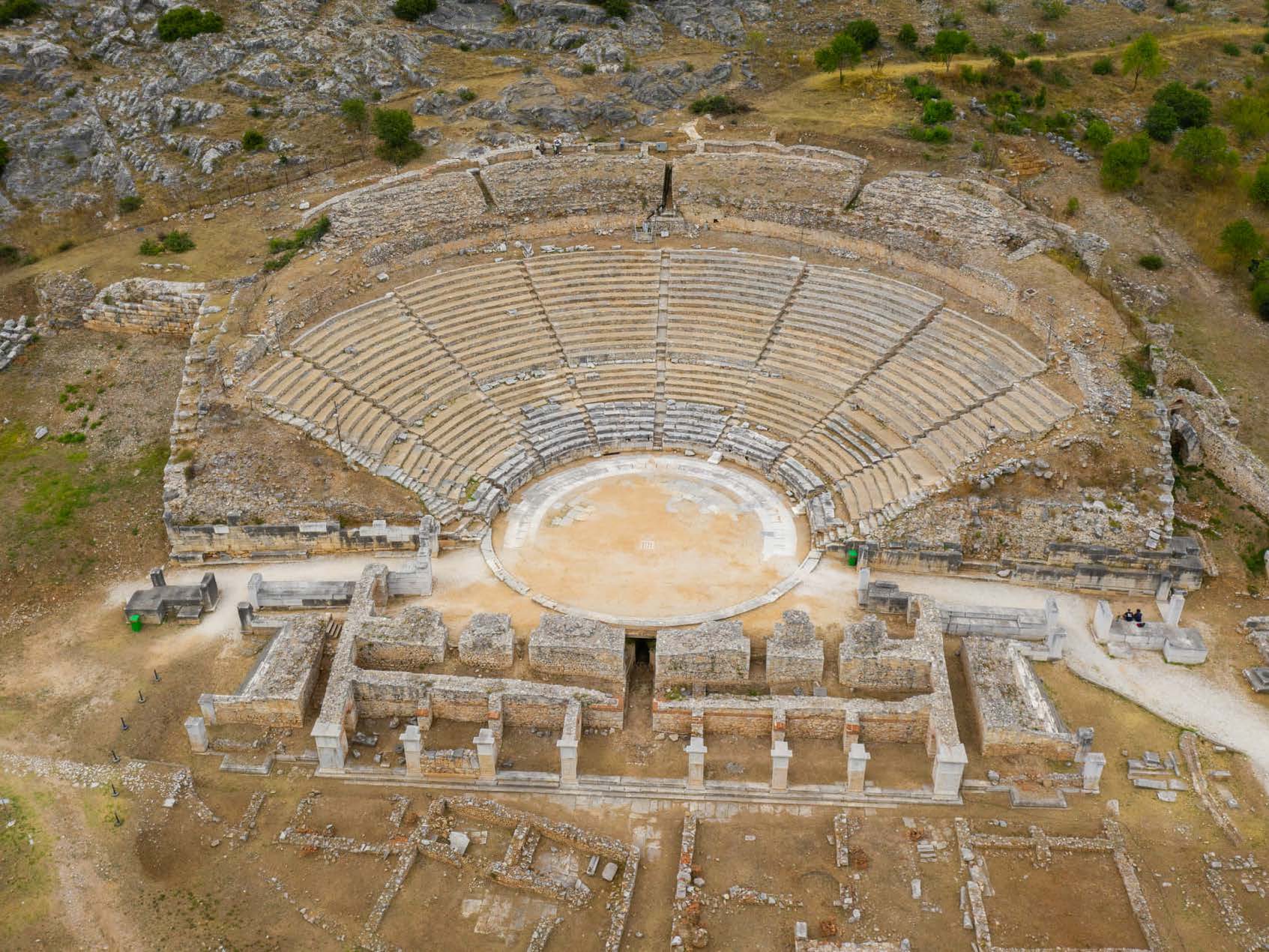
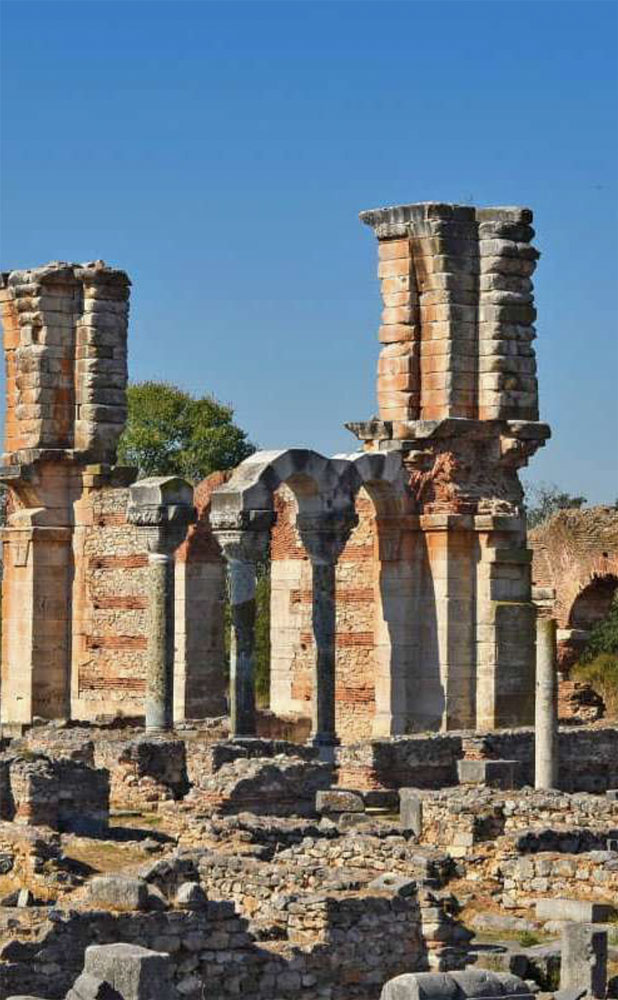
An early departure leads to Philippi, one of Northern Greece’s most significant UNESCO sites, set beneath the gold-bearing slopes of Mount Paggaio.
Founded as a Thasian colony and fortified by King Philip II, it became a Roman stronghold and the site of the decisive battle of 42 BCE. It was also here that the Apostle Paul first preached in Europe and baptised Lydia by the river.
The walk through theatre and forum concludes with a quiet pause at Lydia’s Baptistery, where history and faith still meet by the water.
Nestos
"Tracing a River and its Myths"
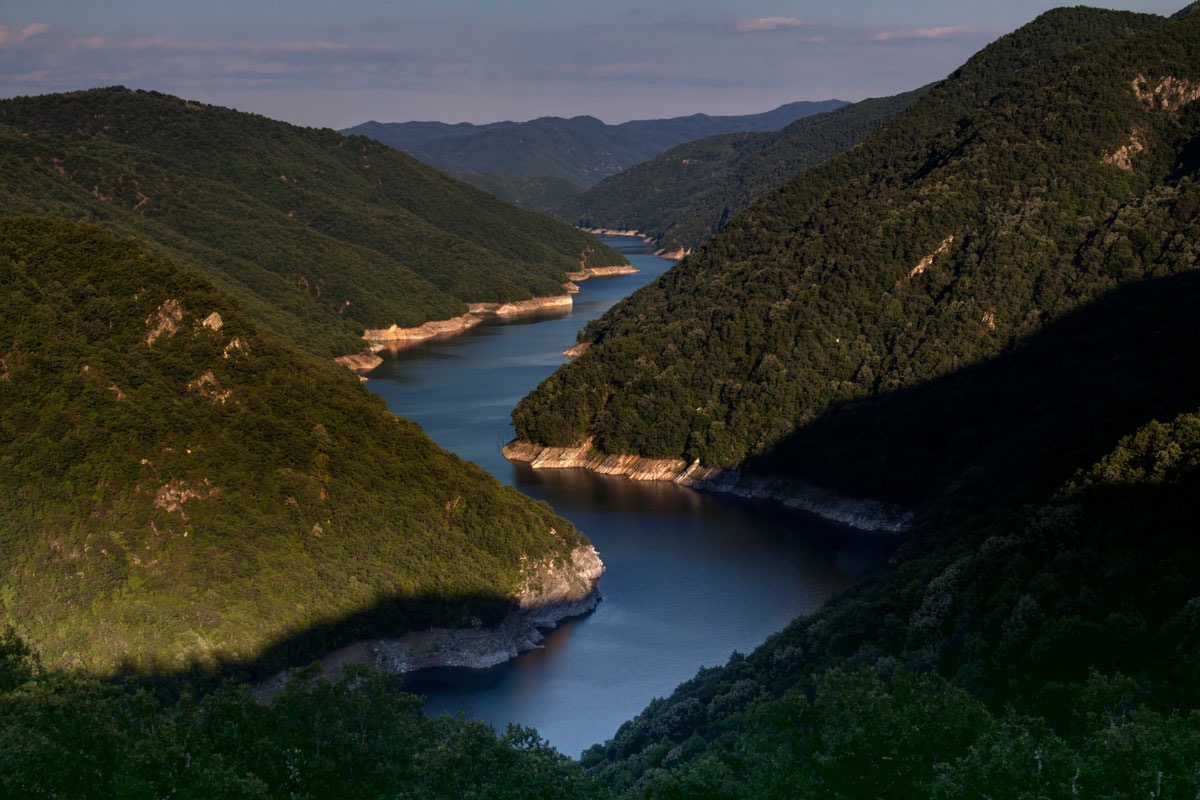
Winding through one of Northern Greece’s most unspoiled regions, the Nestos River forms a threshold between mountain and sea. Its protected delta and gorges shelter a rare ecosystem of birds, wildflowers and still waters.
In myth, Nestos was the son of Oceanus and Tethys, and these banks were linked to Orpheus and the quiet origins of the Orphic mysteries.
The journey unfolds by canoe or small boat, ending at a shaded riverside table with local flavours and wine — a gentle pause where time seems to rest.
Mount Pangaio
"Gold, Gods, and Greatness"
Named after Pangaeus, son of god Ares, Mount Pangaio was linked to Orpheus and to early rites of Dionysus. In antiquity, it was famed as one of the great gold sources of the ancient world, financing the campaigns of Alexander the Great. Associated with Dionysian worship, the exile of Thucydides, and praised by Herodotus for its fragrant roses, the mountain was celebrated for both wealth and beauty.
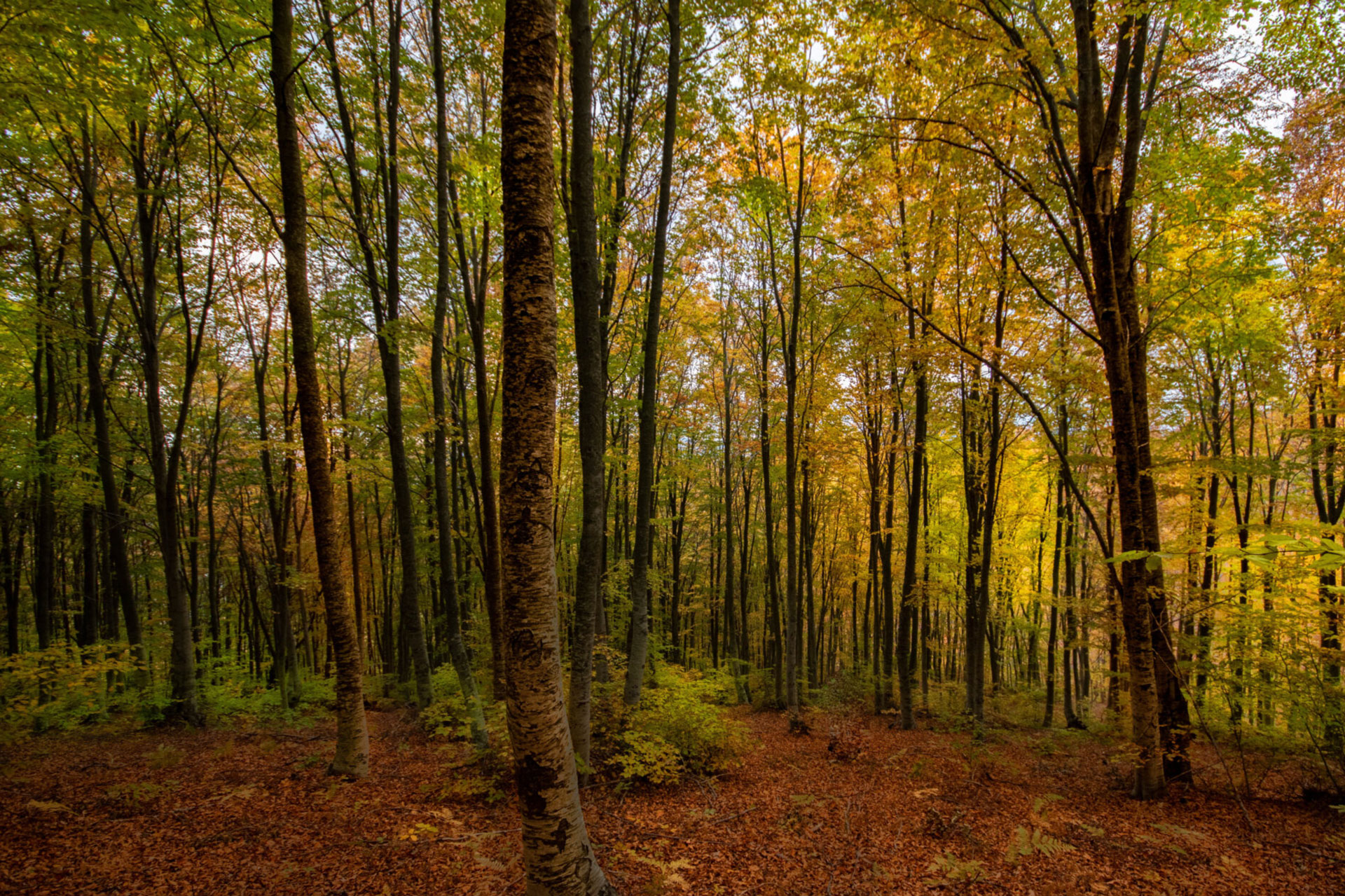
Today, its slopes are known for vineyards, chestnut groves and pine forests, with trails leading to a 1,956-metre summit overlooking Thrace, Macedonia and the Aegean.
Vistonida "Nature, History, and Mysticism
Around a Lake"
At the heart of Thrace lies Lake Vistonida, one of Europe’s richest wetlands along the migratory route between northern Europe and Africa. Flamingos and pelicans animate its waters, while wooden pelades recall an older fishing life.
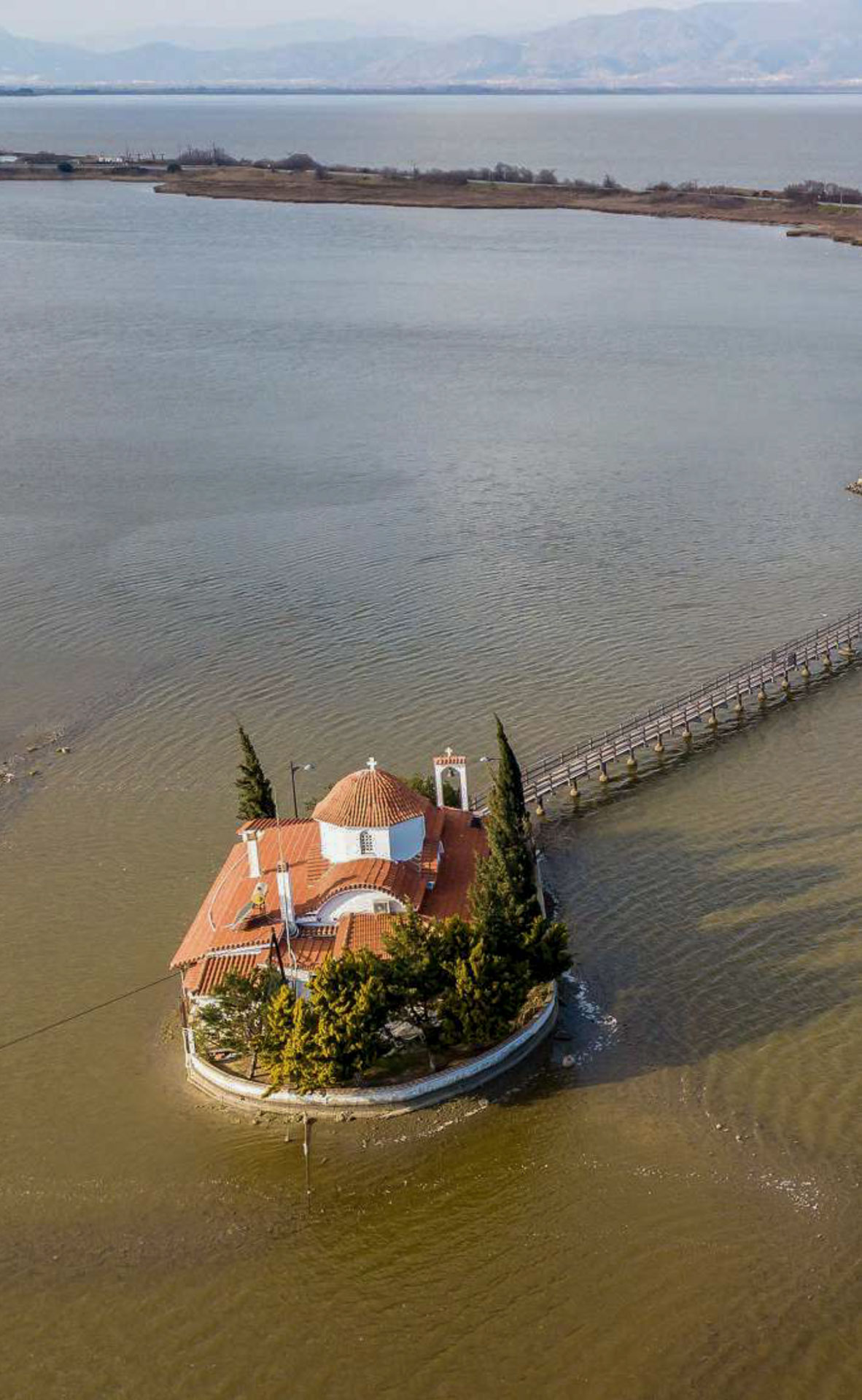
In myth, this was the land of King Diomedes and the Eighth Labour of Heracles. Nearby stand the monastery of Saint Nicolas at the meeting of fresh and salt waters, Avdira, birthplace of Democritus, and the Byzantine castle of Polystylo.
Not far away, the 14th-century teké of Selino remains an active Sufi sanctuary, where Christian and Muslim symbols quietly coexist.
Via Egnatia
"Stone and Steel Shaping History"
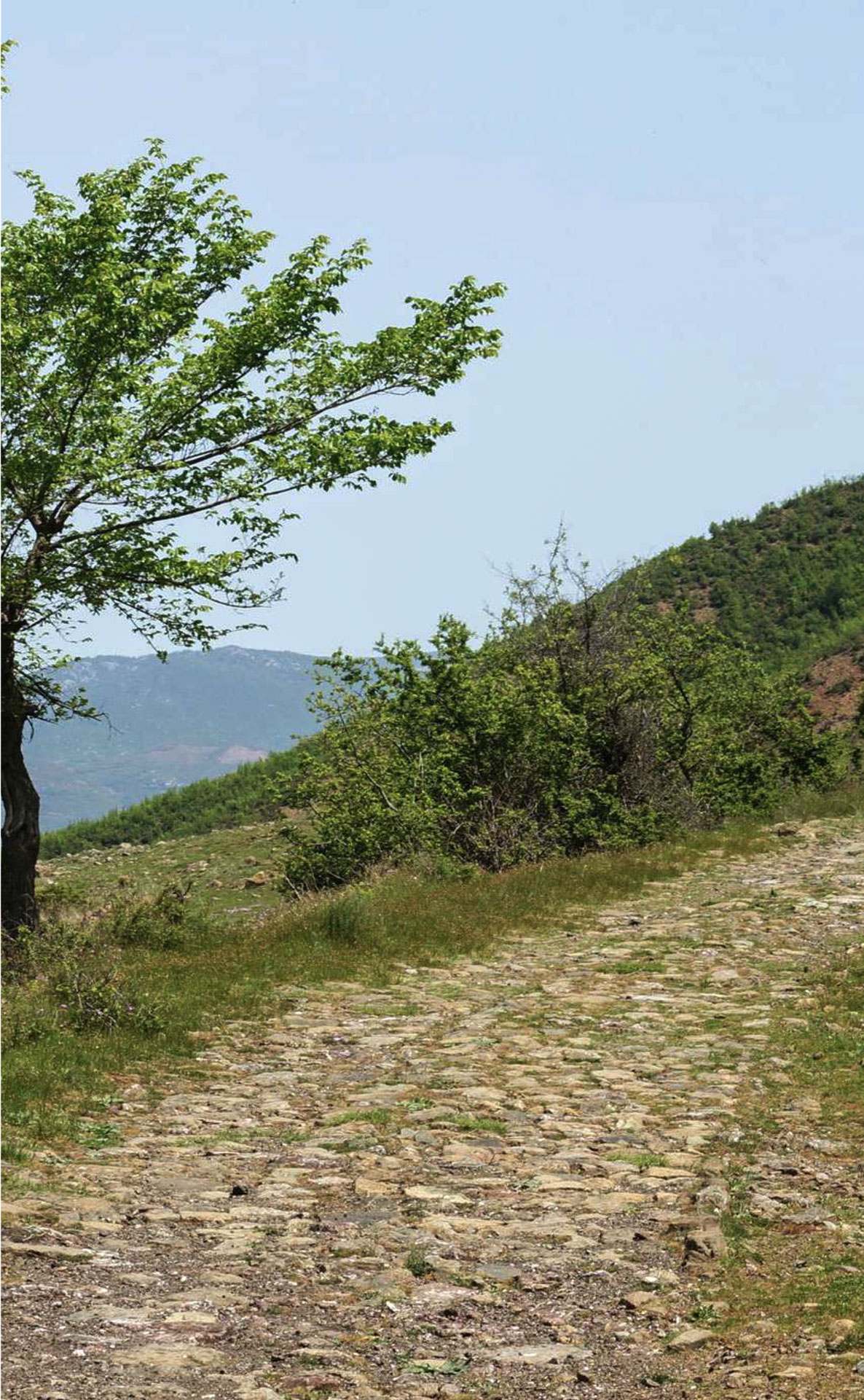
Built in the 2nd century BC, the Via Egnatia linked Rome with Macedonia, Thrace and Asia Minor, becoming one of antiquity’s great arteries of movement and exchange. Soldiers, merchants and pilgrims travelled its stones, while inns and stations sustained a continuous flow of people and goods.
Preserved by the Byzantines and later maintained by the Ottomans, the route continued to bind East and West — later echoed by the railway lines that carried the Orient Express.
A walk along a surviving stretch, scented with thyme and pine, opens onto wide views over Thrace — where history and identity remain in quiet dialogue.
Αmphipolis
"A City, a Historian and a Trap"
Once the land of the Edoni, Amphipolis controlled the rich Strymon valley and was contested by Athenians, Spartans and Macedonians. Thucydides’ failure to defend it led to his exile near Mount Pangaio, where he composed the History of the Peloponnesian War, shaping political thought to this day.
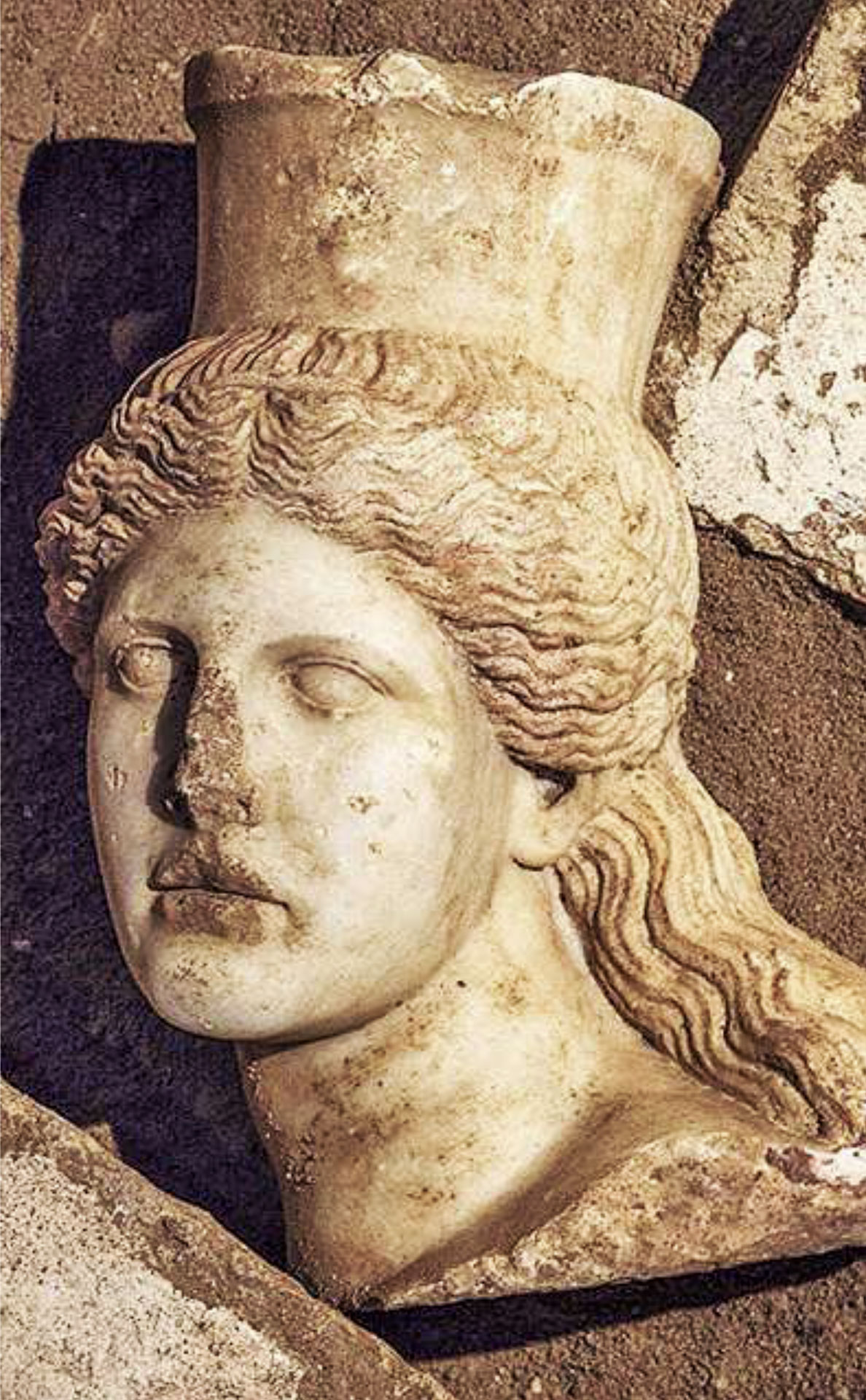
The 4th-century BC Lion of Amphipolis still overlooks the plain. Nearby, the monumental Kasta Tomb — with its sphinxes, caryatids and mosaics — has renewed the city’s presence in contemporary imagination.
Samothrace
"Sanctuary of the Great Gods"
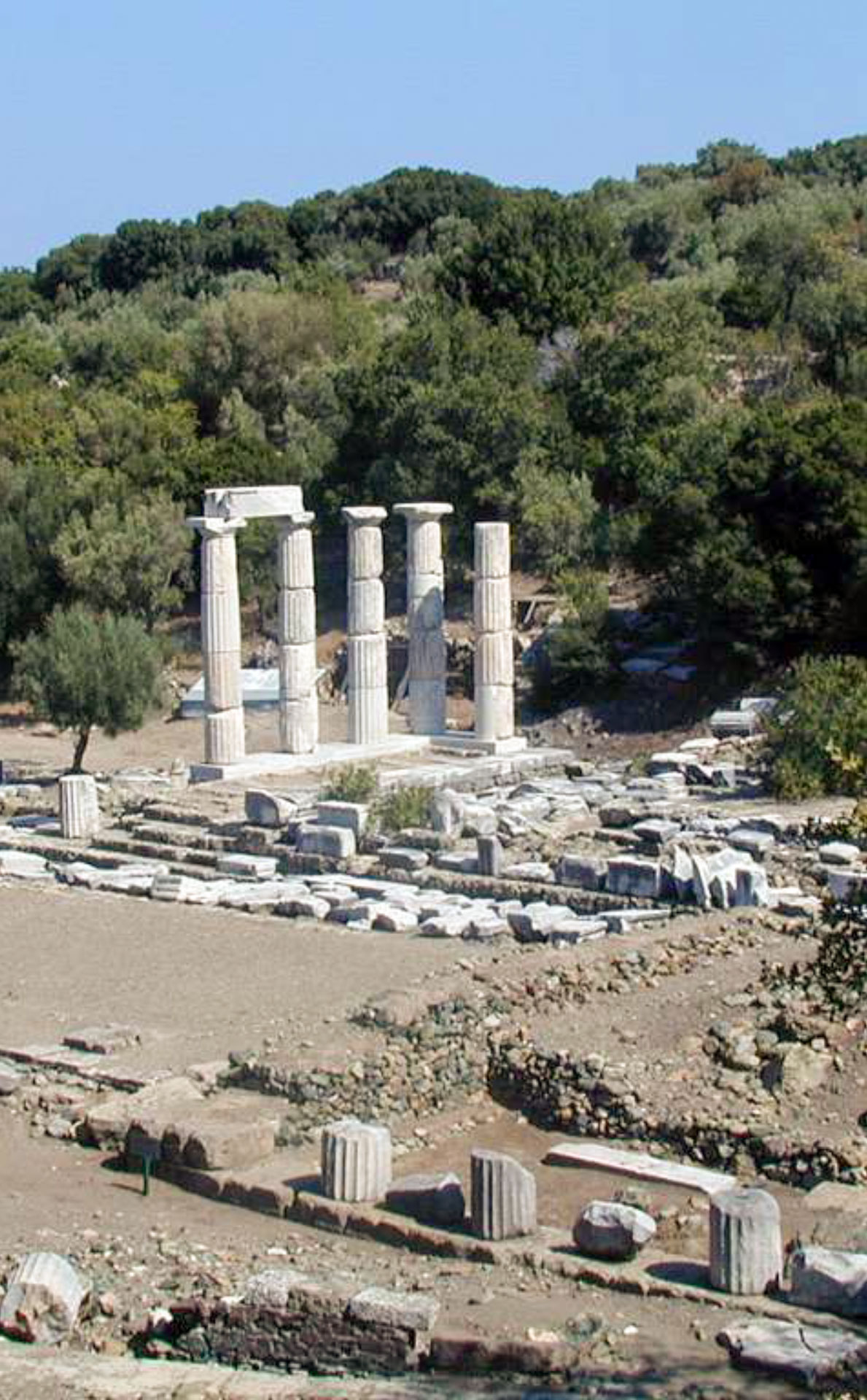
Rising from the Thracian Sea, Samothrace was home to the revered Sanctuary of the Great Gods, where initiates sought protection through secret rites known as the Mysteries. From this sanctuary comes the celebrated Winged Victory of Samothrace, now in the Louvre — a lasting testament to the island’s spiritual and artistic power.
Approached today by helicopter, its mountains, waterfalls and marble ruins preserve the union of nature and sacred tradition.
Vergina
"Royal Tombs of Aigai"
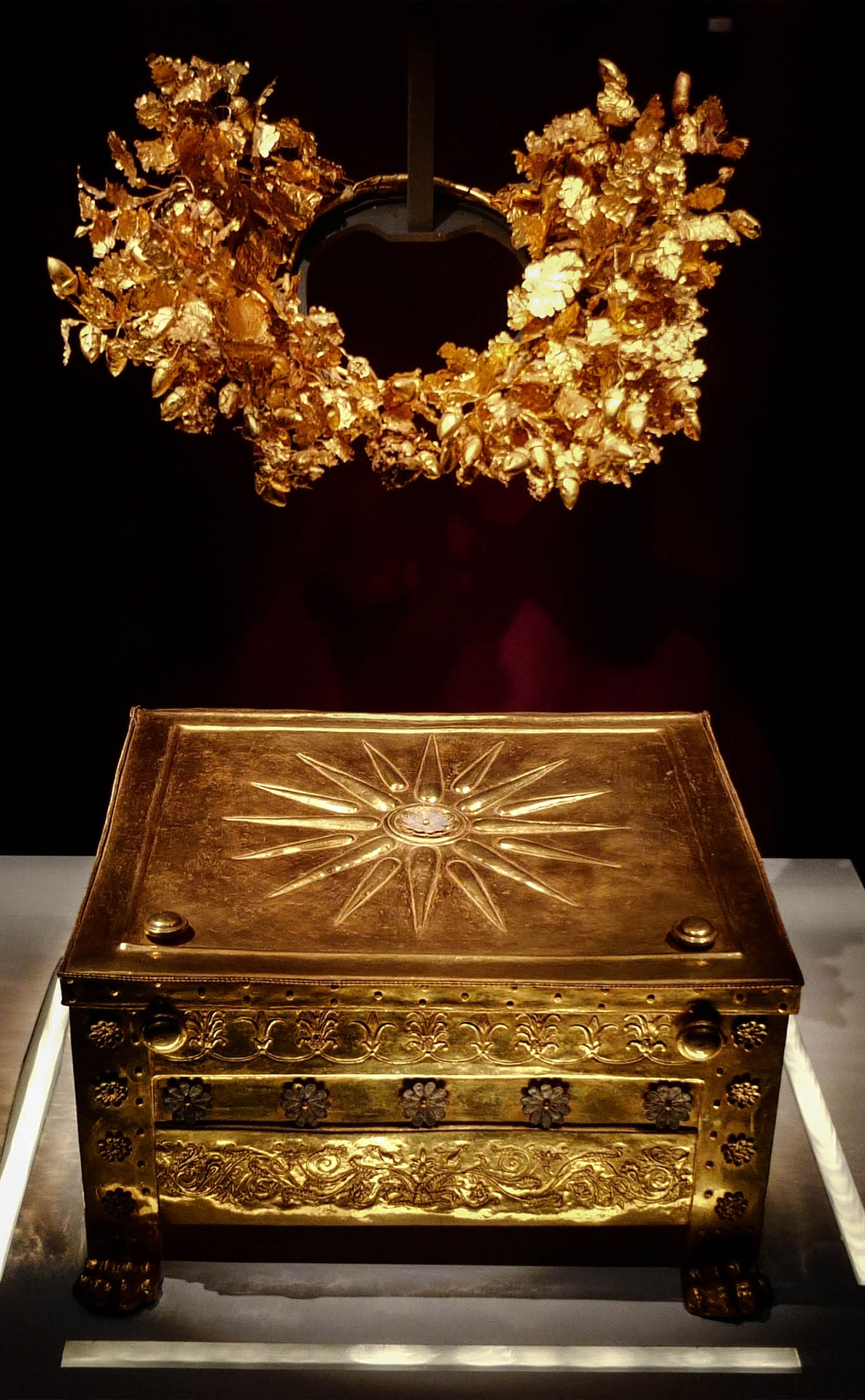
Ancient Aigai, first capital of Macedon, shelters beneath its tumulus the royal tombs, including that of Philip II of Macedon. Golden treasures and painted frescoes evoke the splendour of a dynasty that reshaped history — a place where the grandeur and fragility of empire are still felt in silence.
Mount Athos
"Sacred State of Faith"
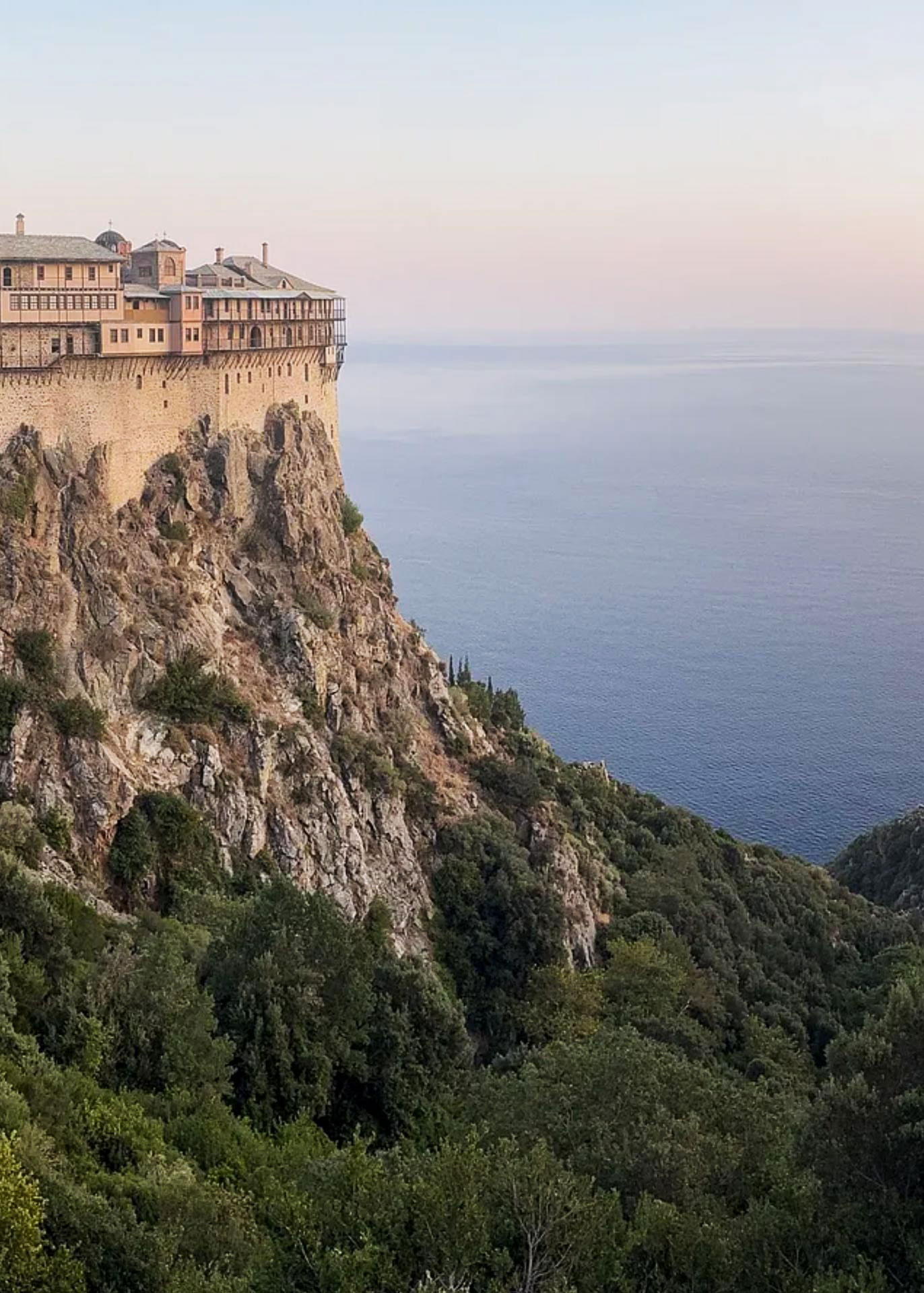
A helicopter flight along Mount Athos reveals a monastic peninsula where twenty monasteries rise between forest and sea. Founded in the Byzantine era, it has remained a centre of Orthodox spirituality for over a millennium.
Each monastery safeguards manuscripts, icons and relics preserved across centuries. In keeping with its ancient monastic rule, access is granted only to male visitors.
Pilgrims and seekers from around the world continue to be drawn to its enduring spiritual presence.