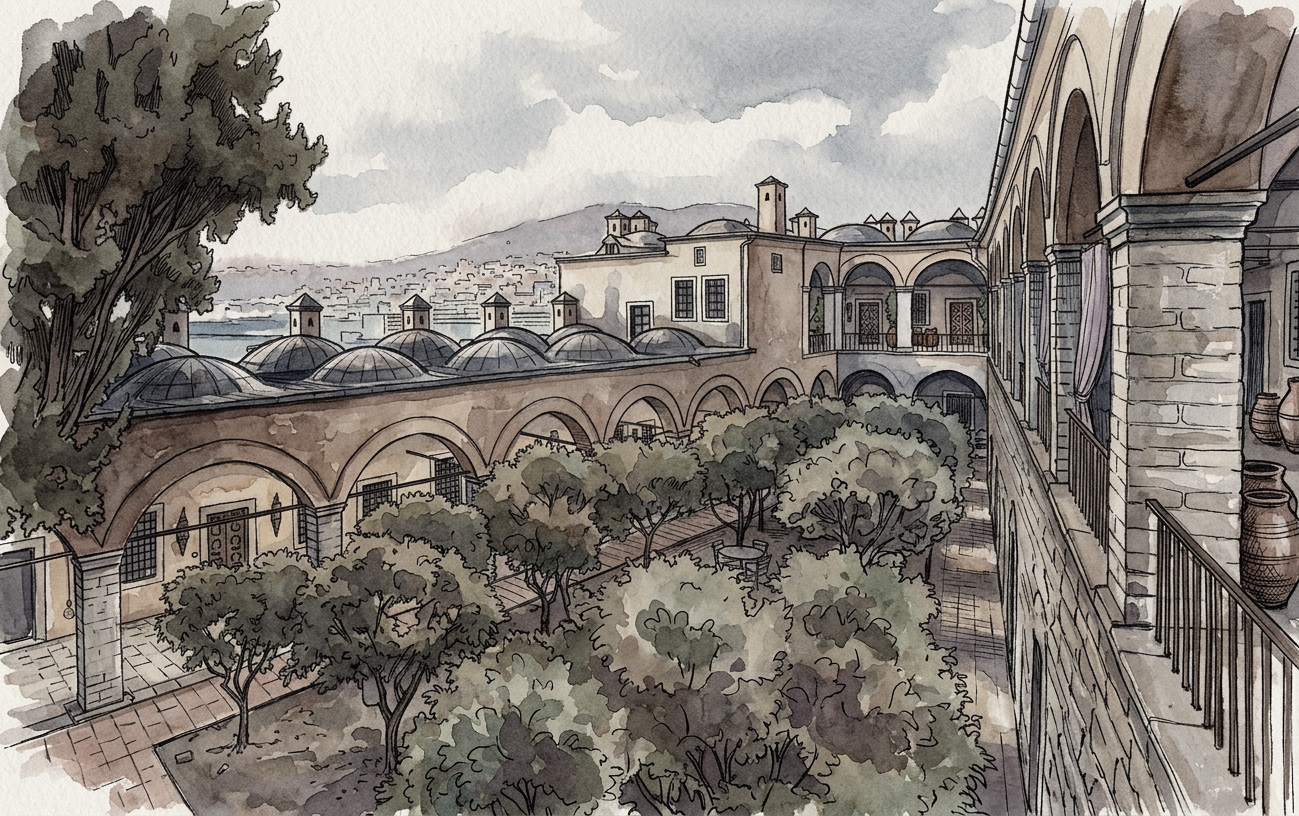
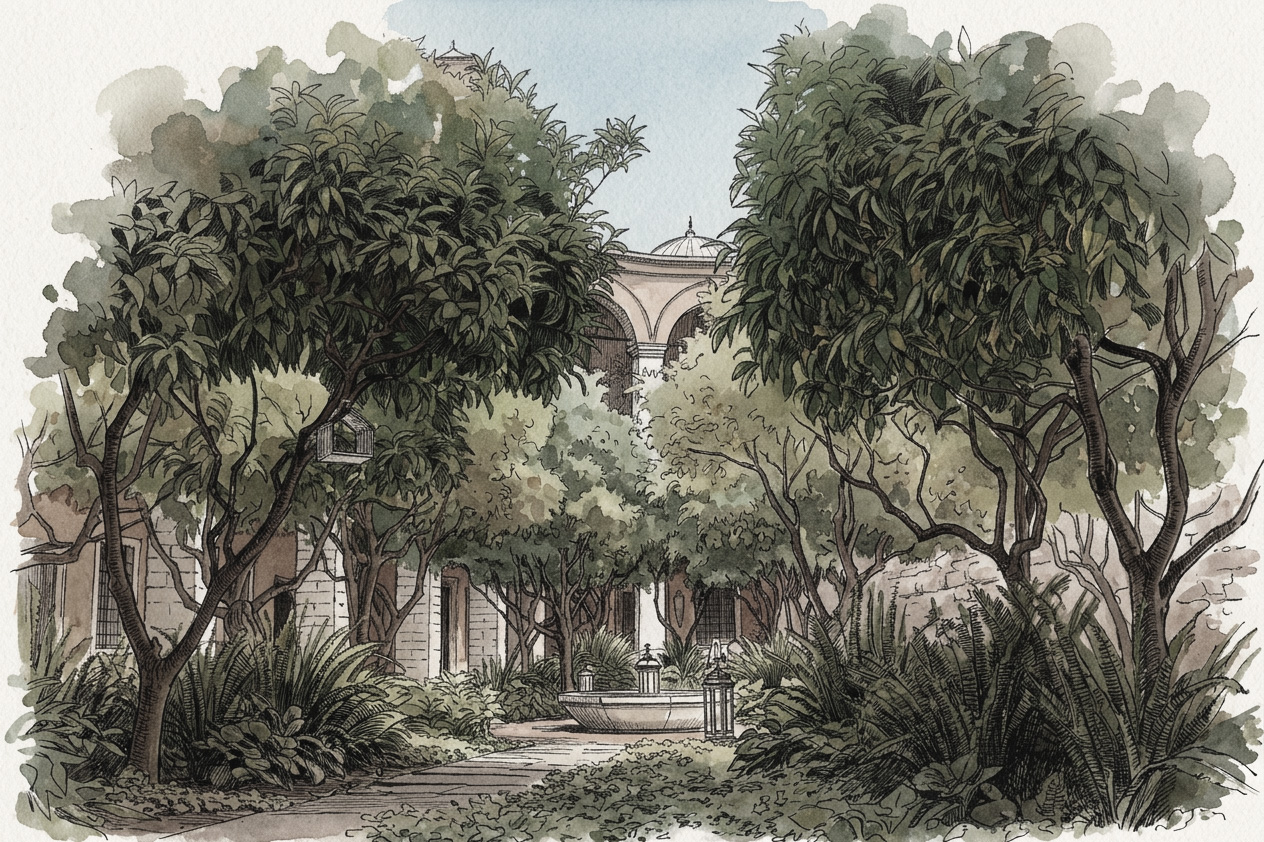
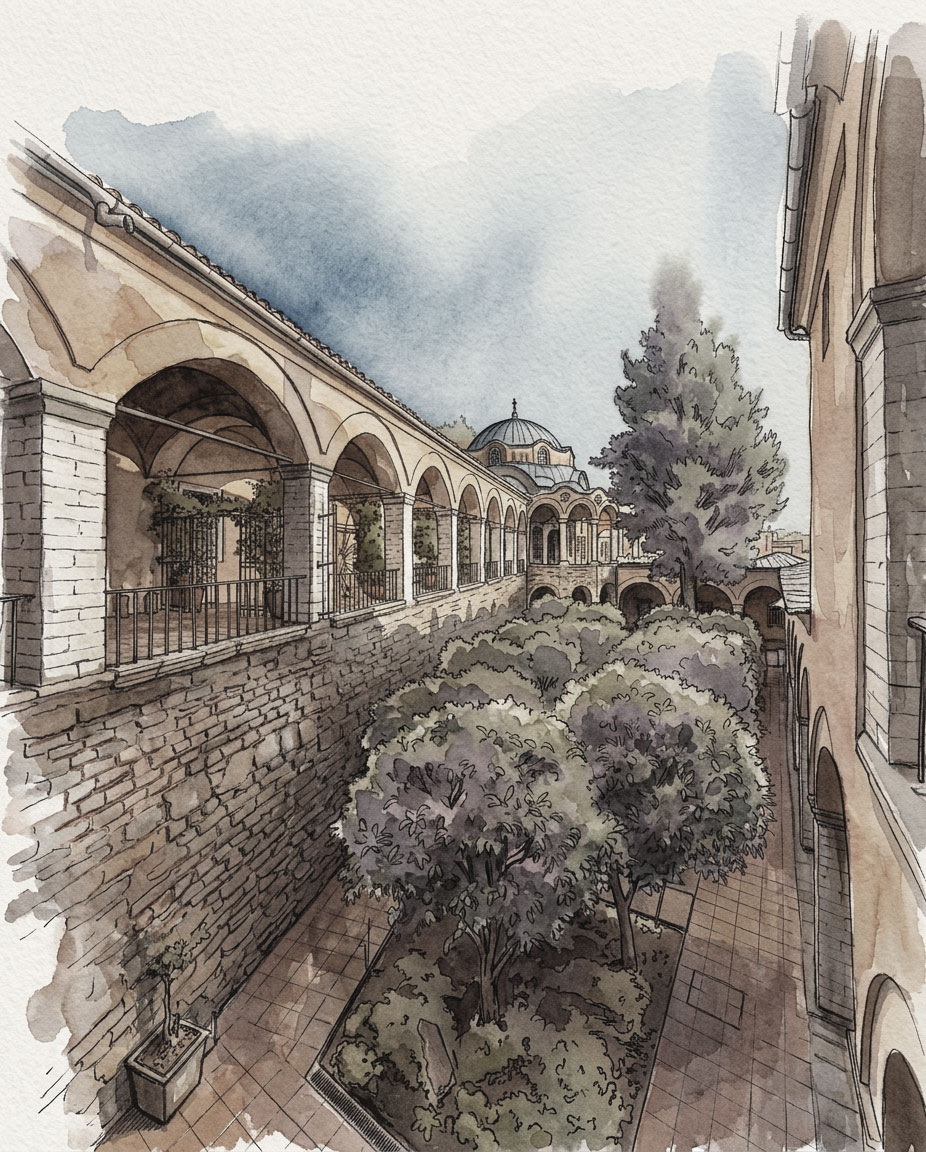
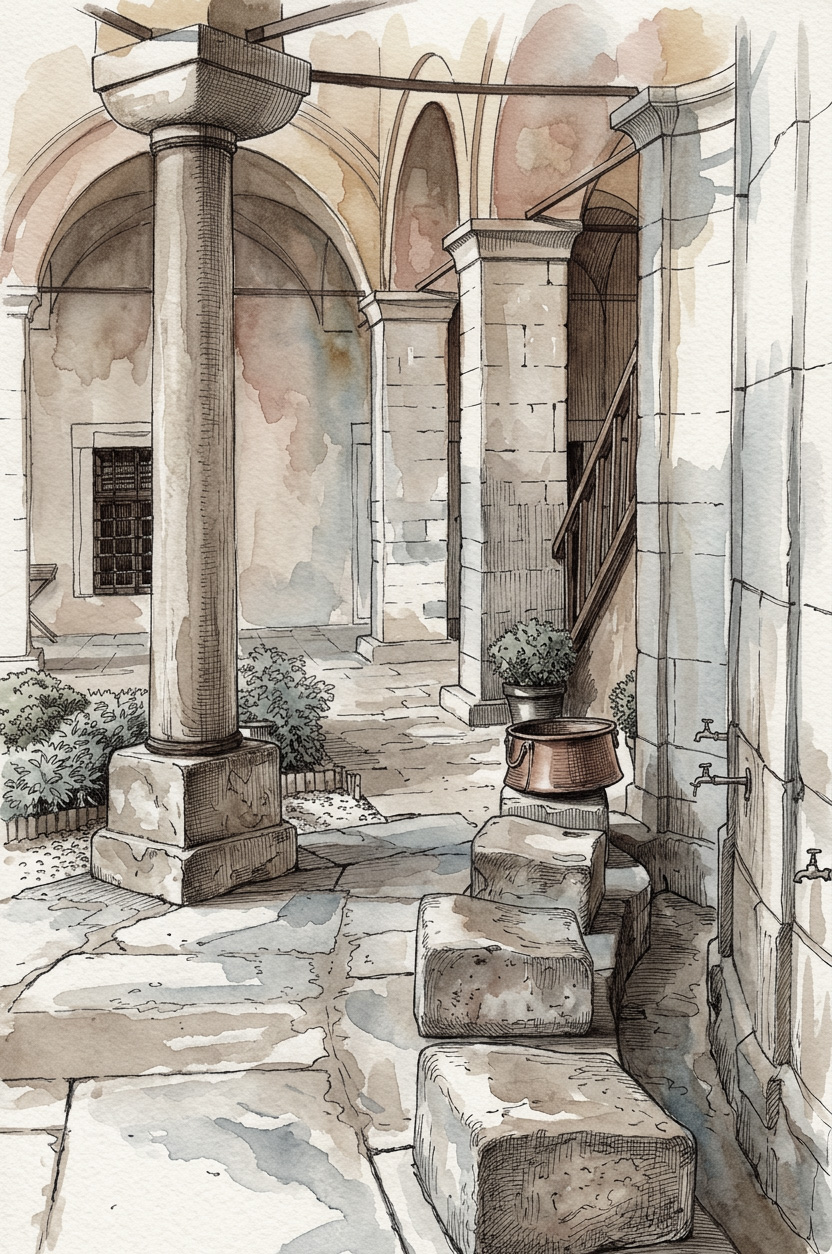
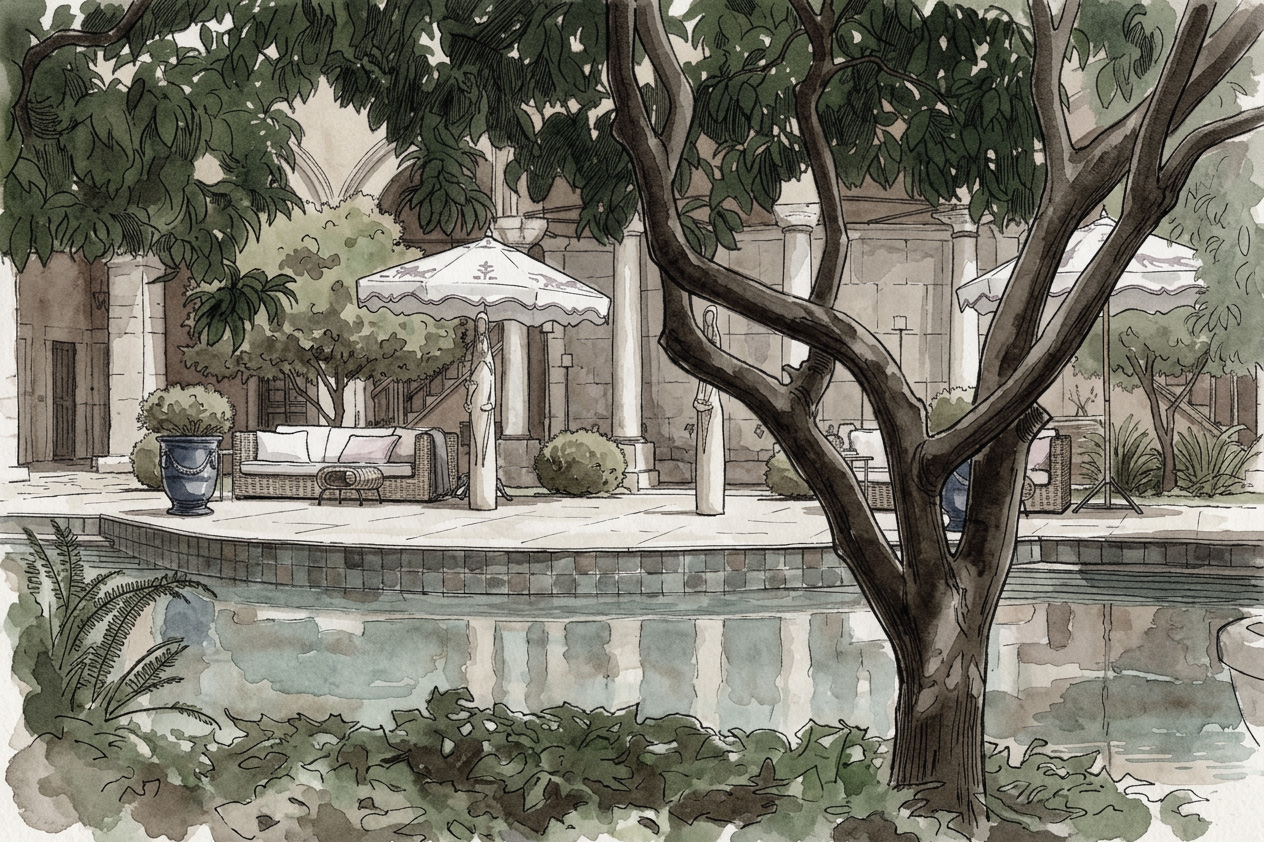
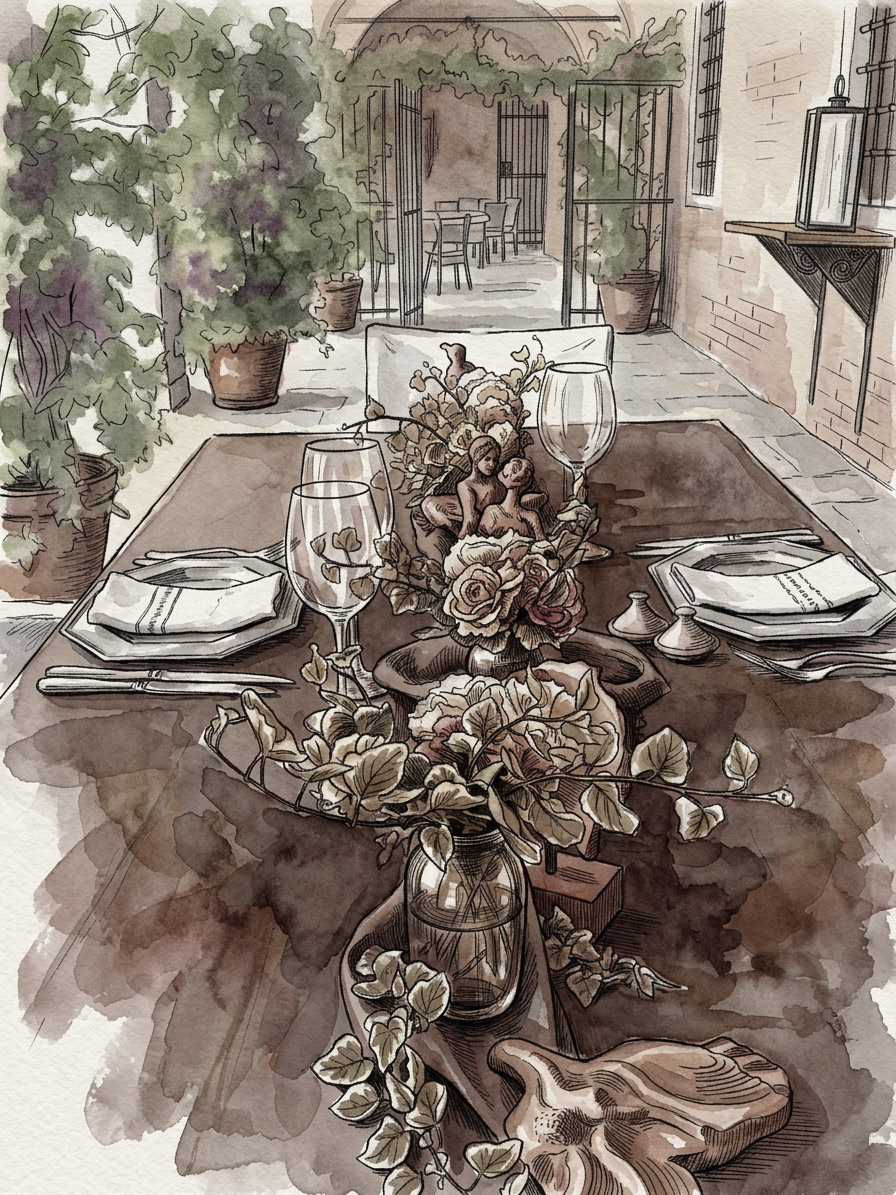
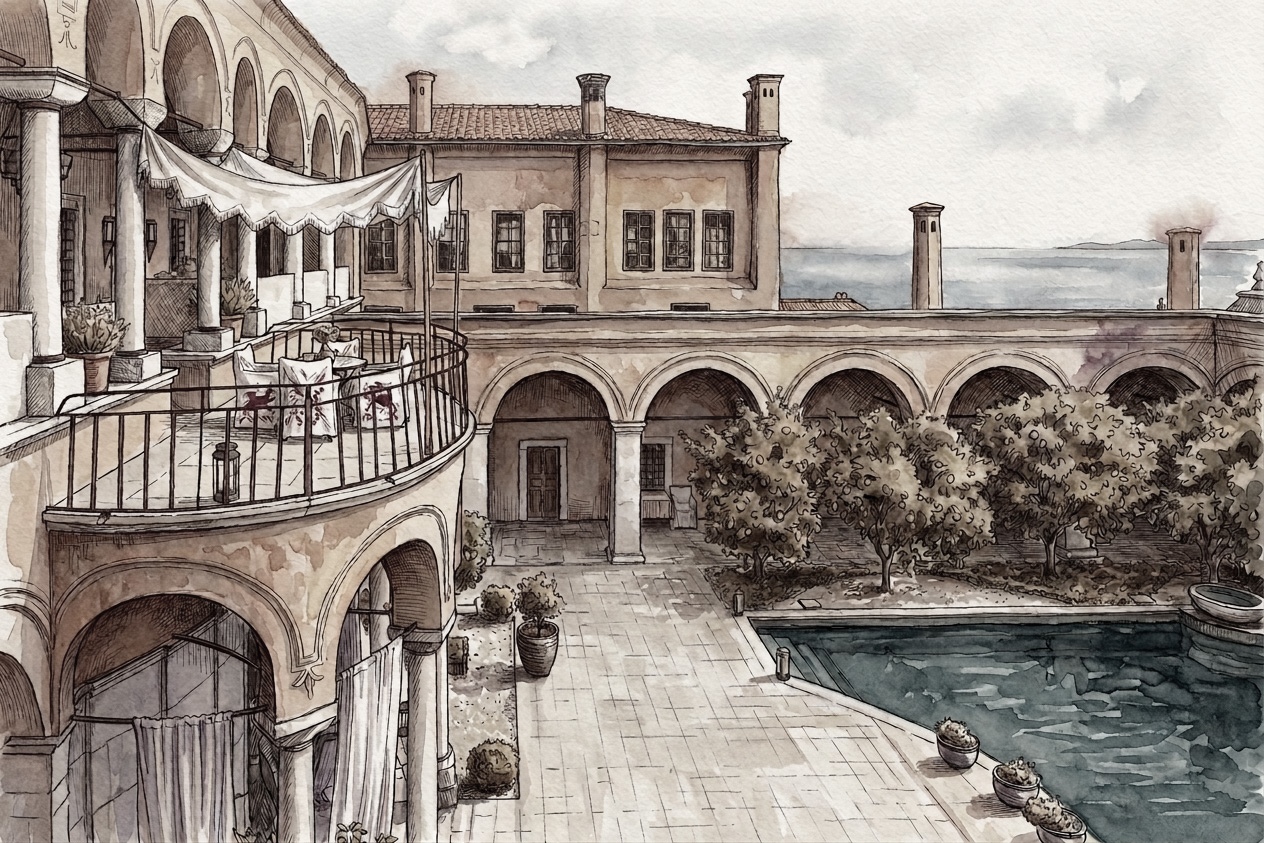
Imaret and all its covered spaces unfold around three inner gardens.
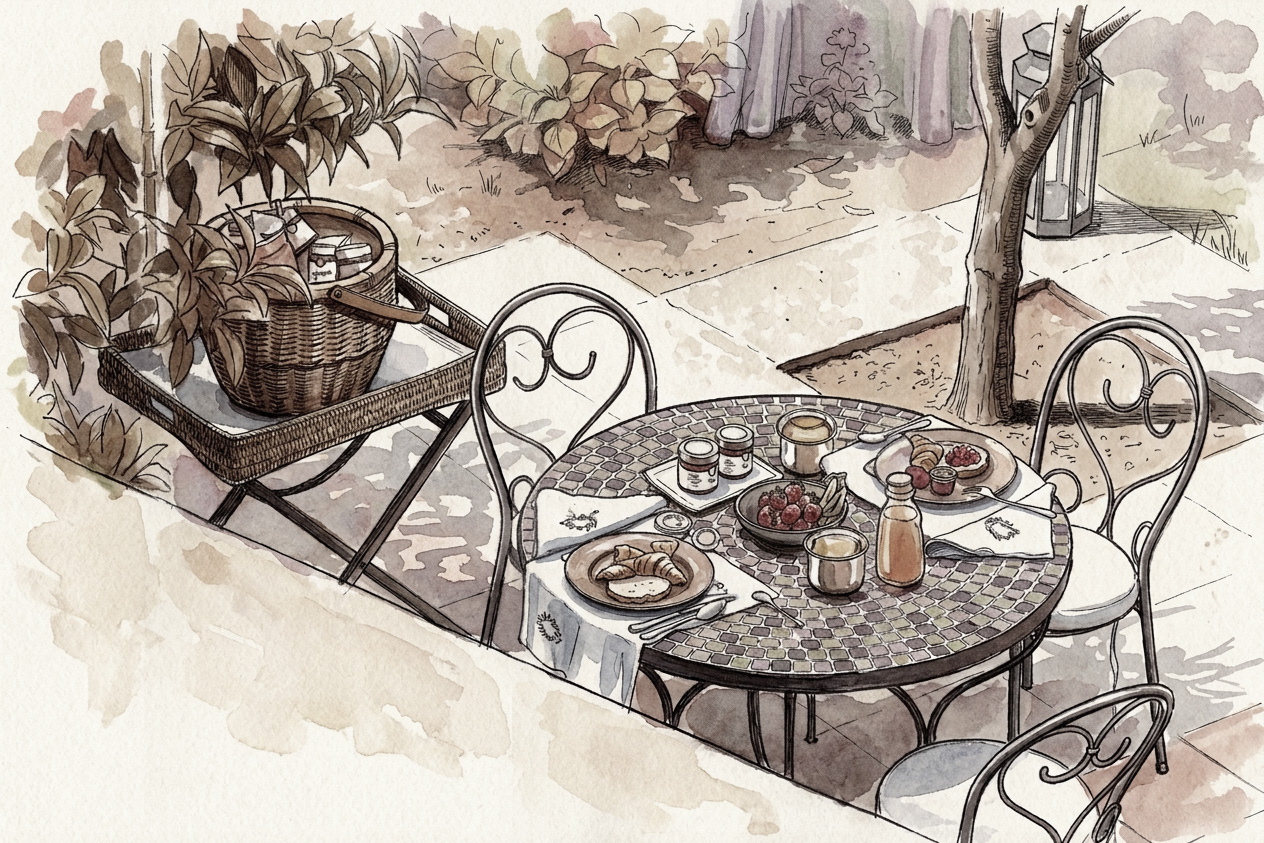
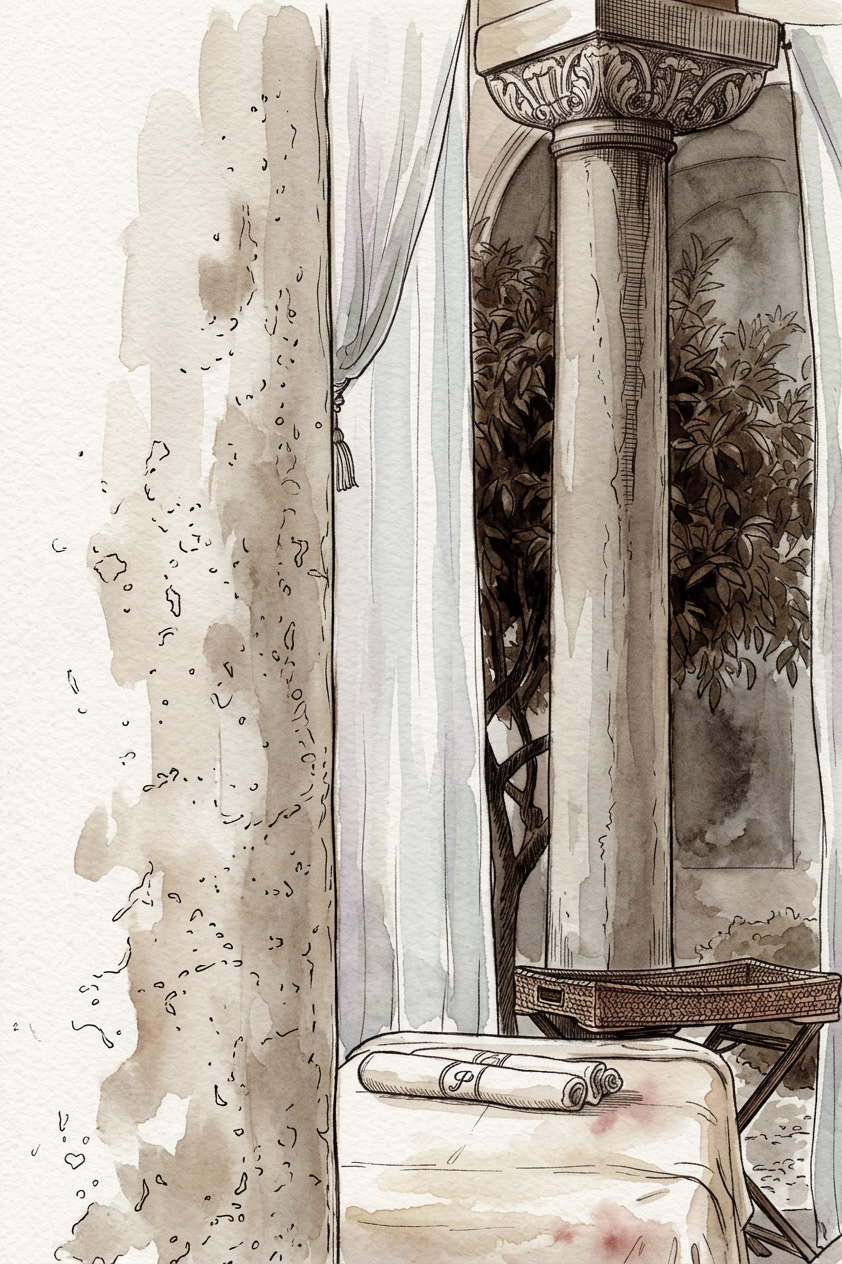
Quarters, arcades, dining rooms and communal spaces open onto them, while orange trees, fountains, water and shade bring freshness in summer, shelter in winter and the changing rhythms of the seasons into daily life.
They create a constant and natural balance between indoor and outdoor living, allowing body and mind to recover from the demands and fatigue of daily life.
Quarters
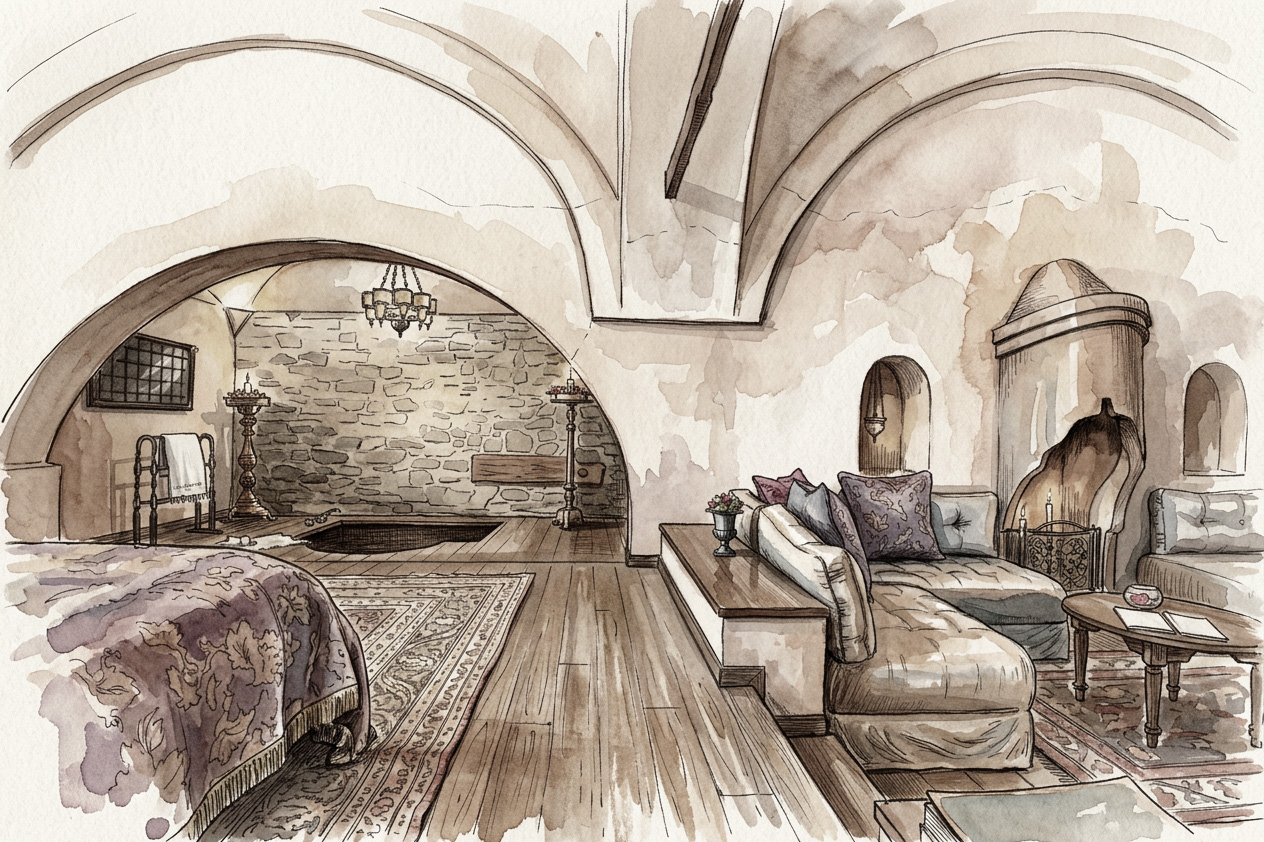
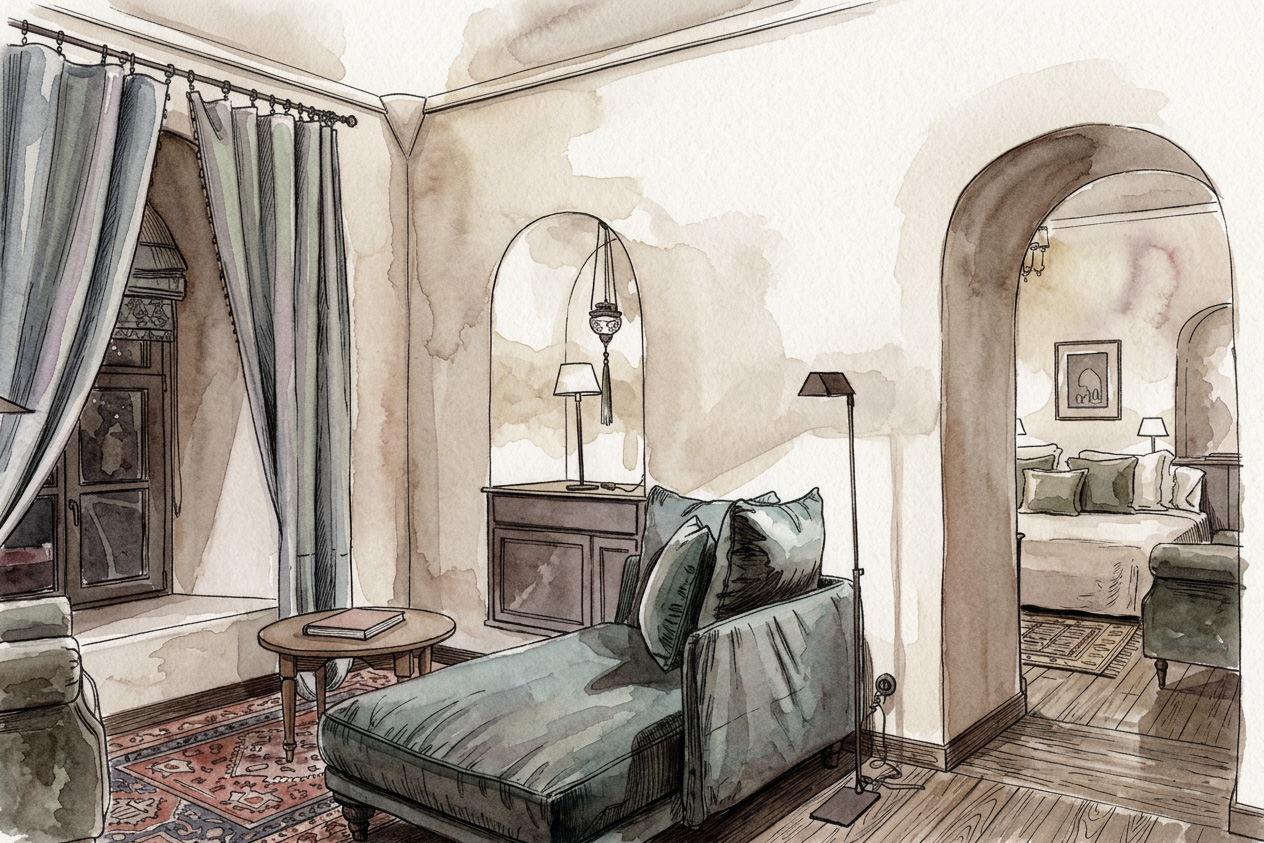
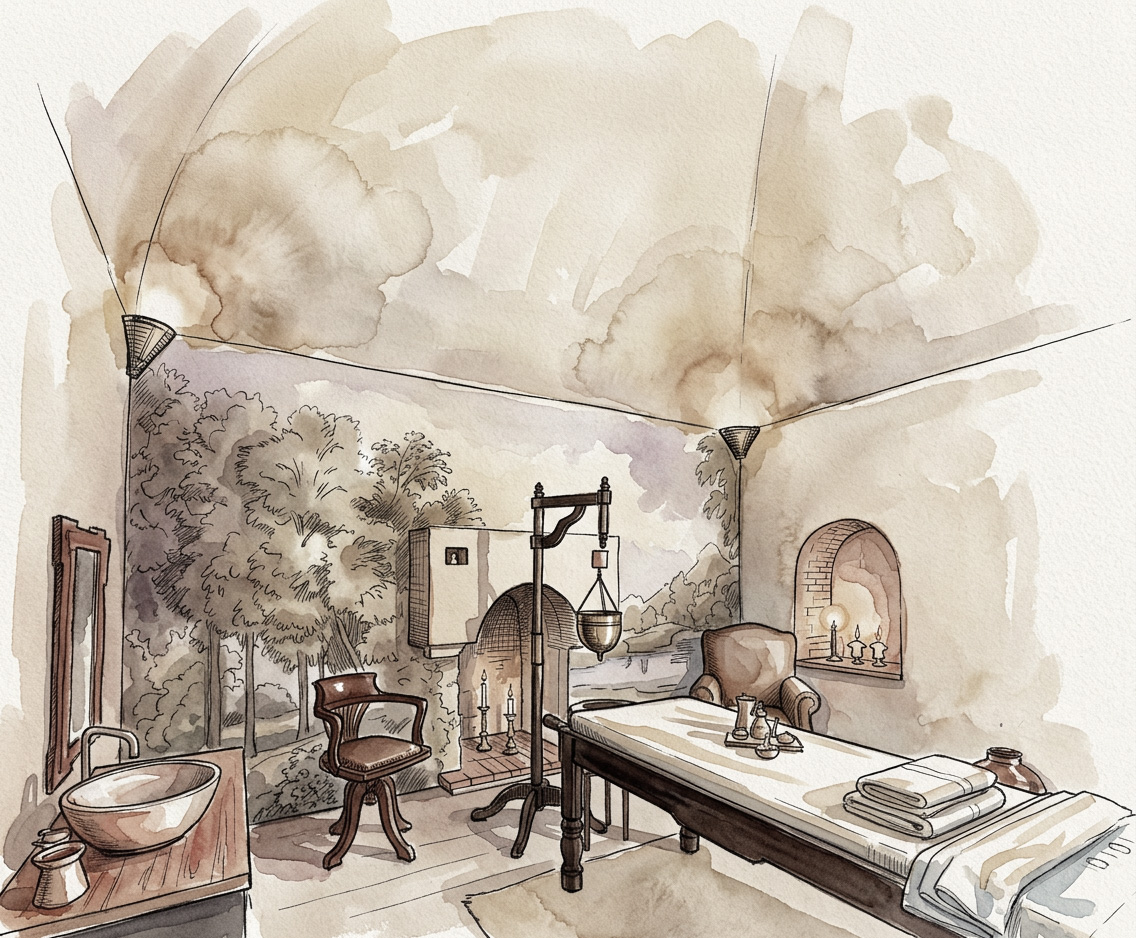
Originally conceived to shelter scholars, travellers and guests, the eight quarters continue to offer the same essential qualities today: rest, privacy and seclusion.
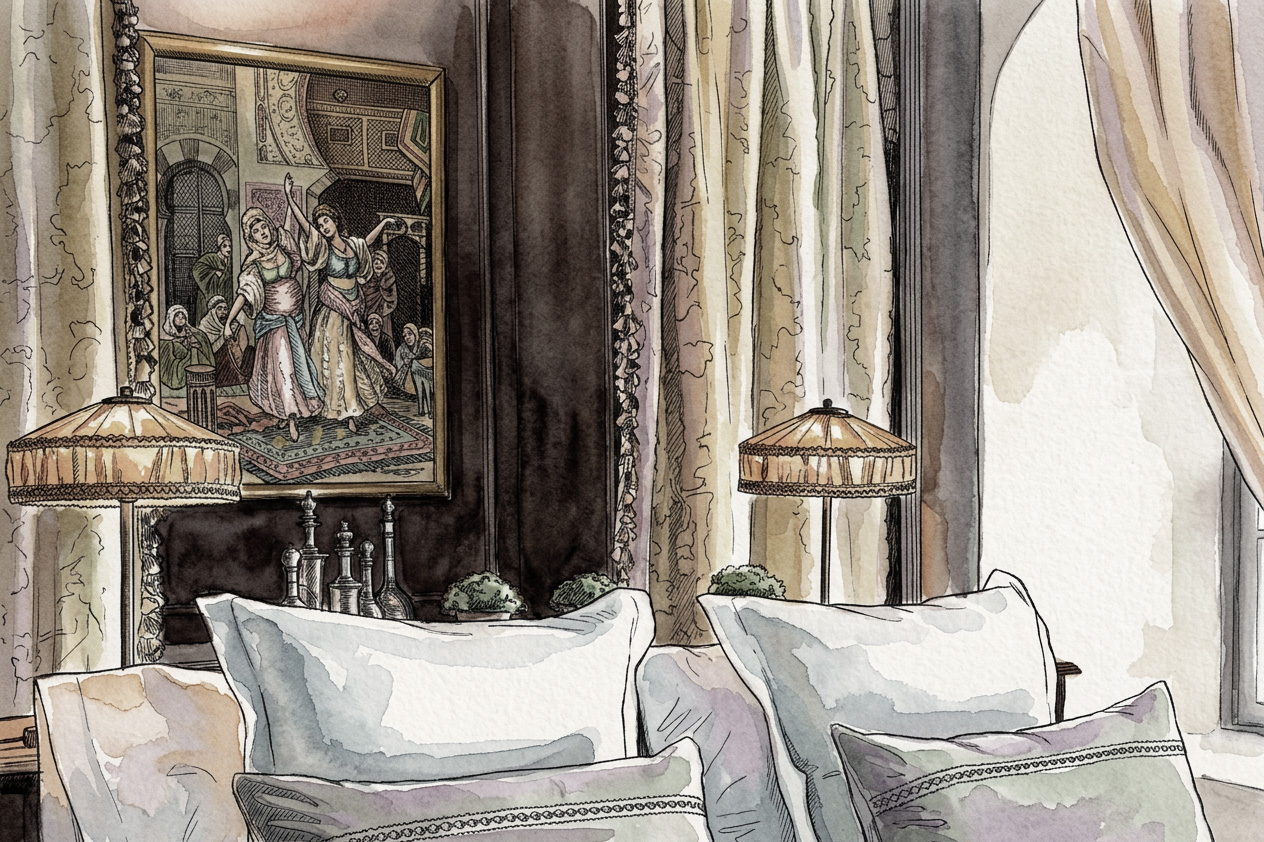
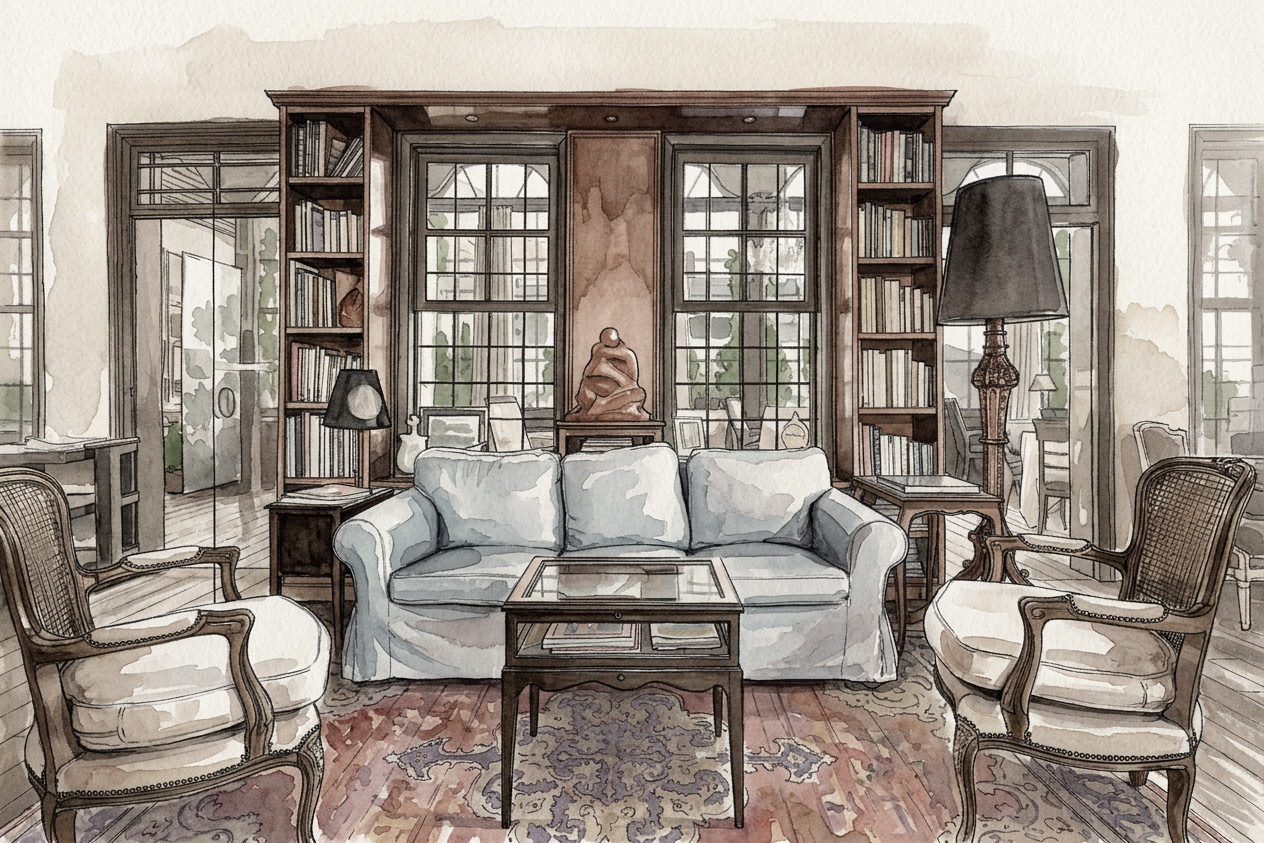
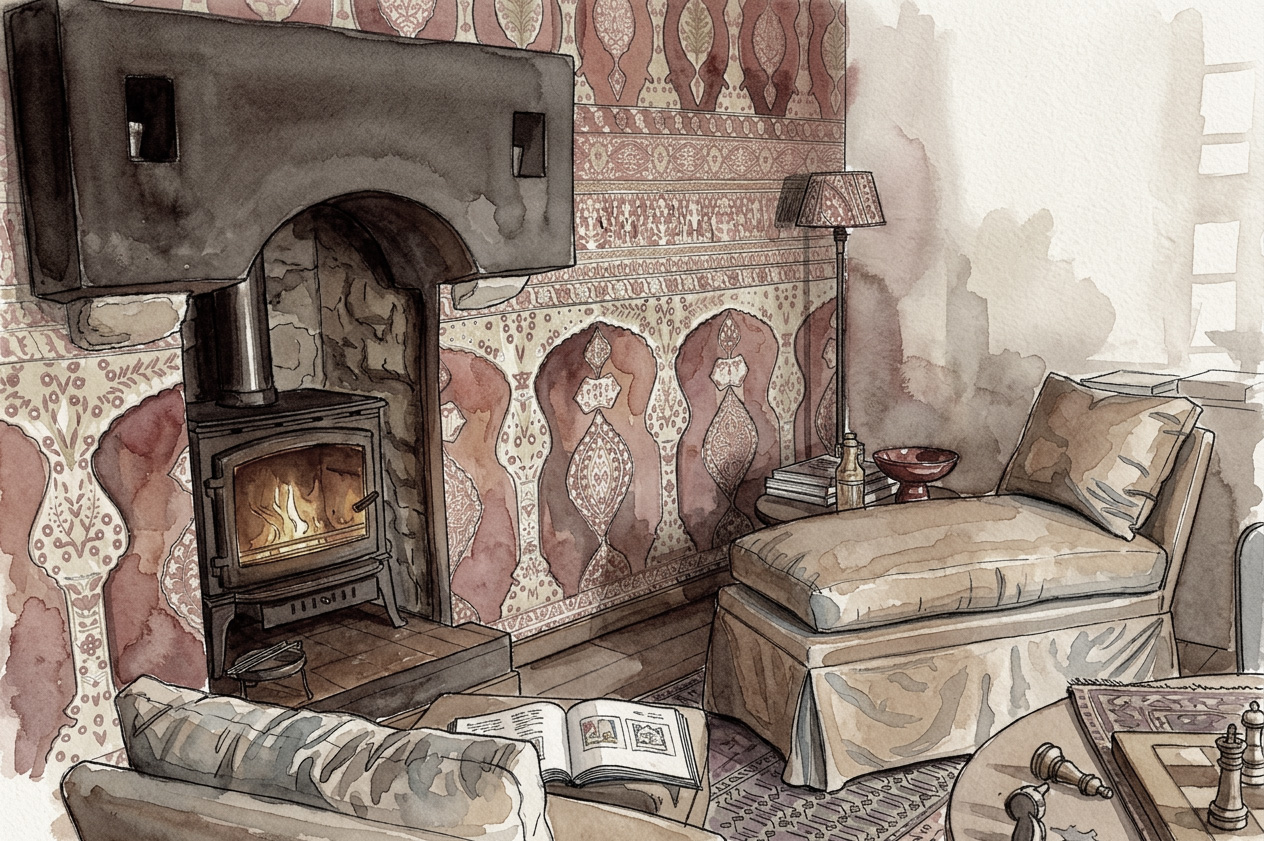
Marble, stone, wood, antique furnishings and seasonal textiles create interiors of discreet and unpretentious elegance. In winter, velvets and silks bring warmth and depth; in summer, linen and cotton introduce lightness and freshness.
Generous in proportion, the quarters open onto courtyards, fountains and orange-tree gardens that shape the daily life of Imaret.
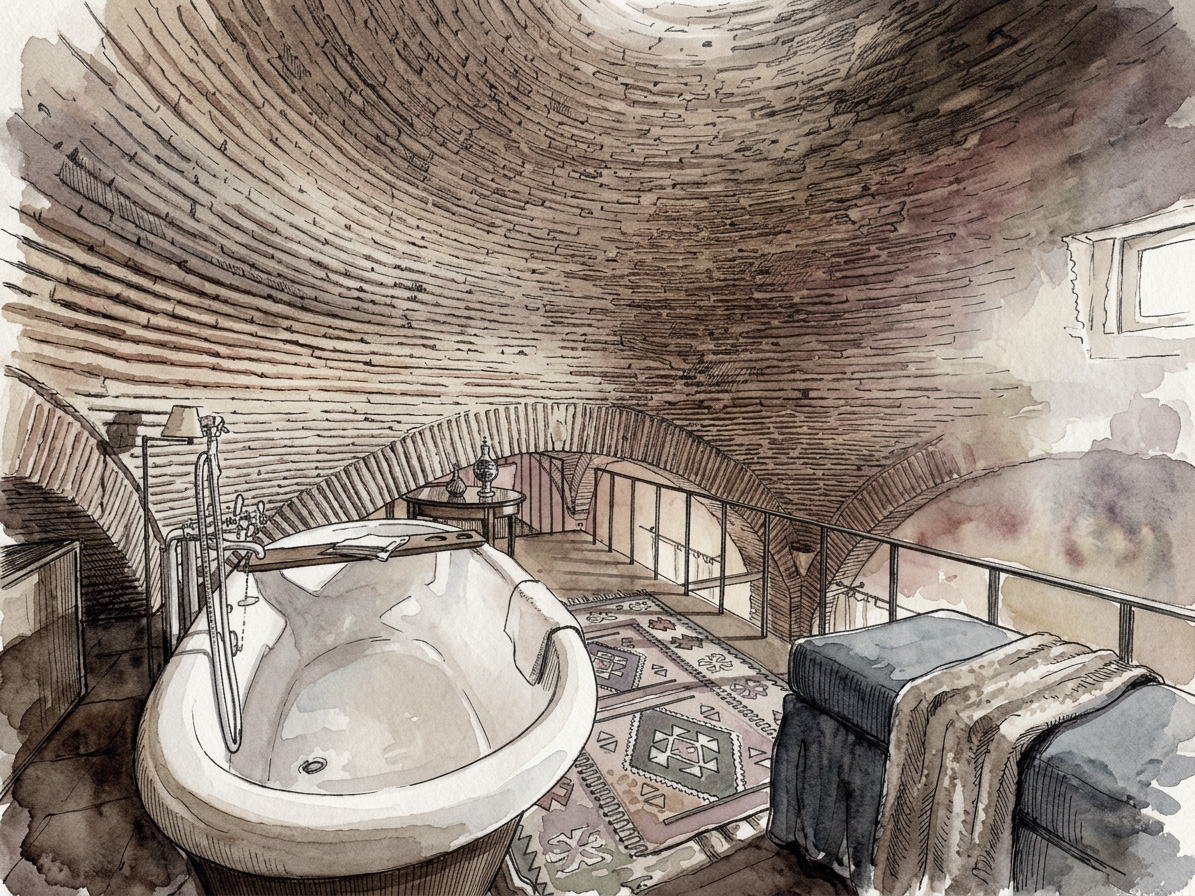
Beneath a sequence of historic domes, each quarter preserves intact the architectural features that have defined the monument for more than two centuries.
A Culture of Nourishment
Originally conceived as a place to provide knowledge and food, the monument continues to organise life around the table.
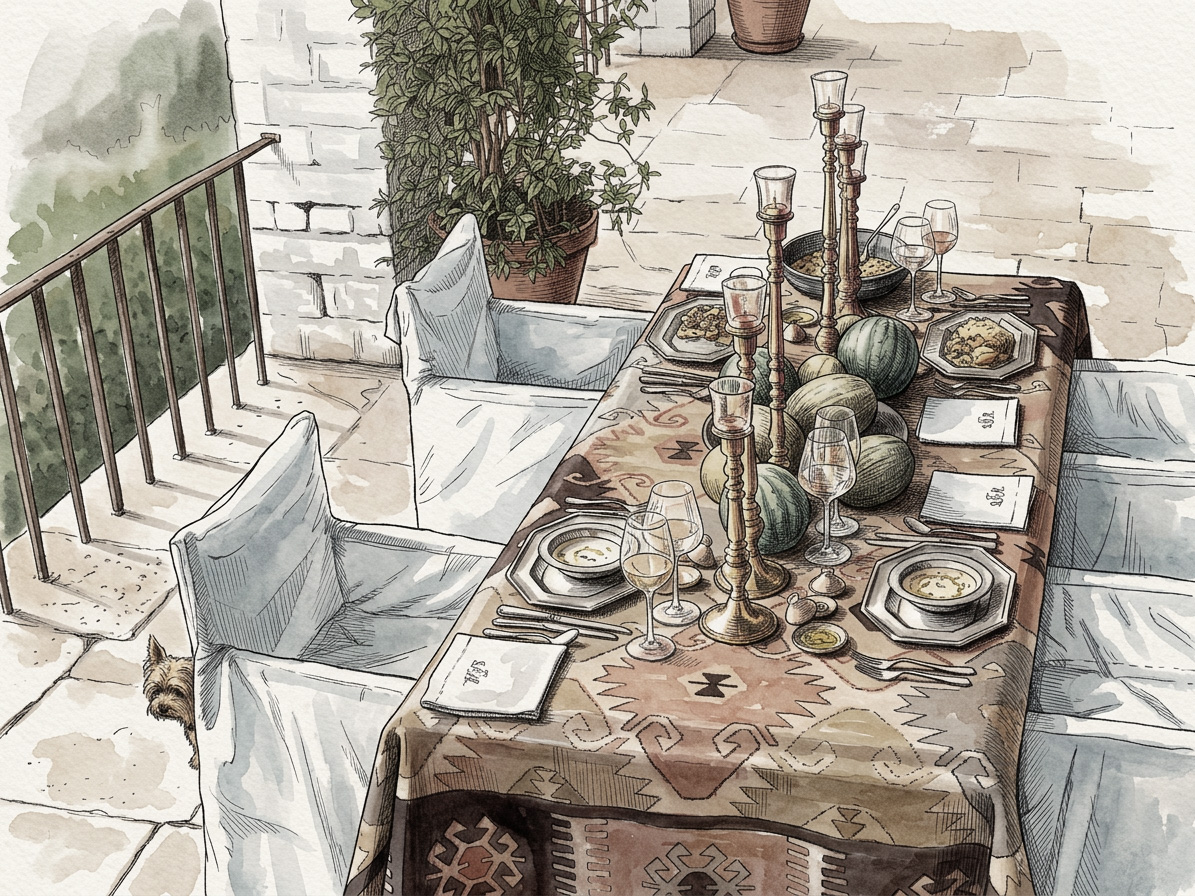
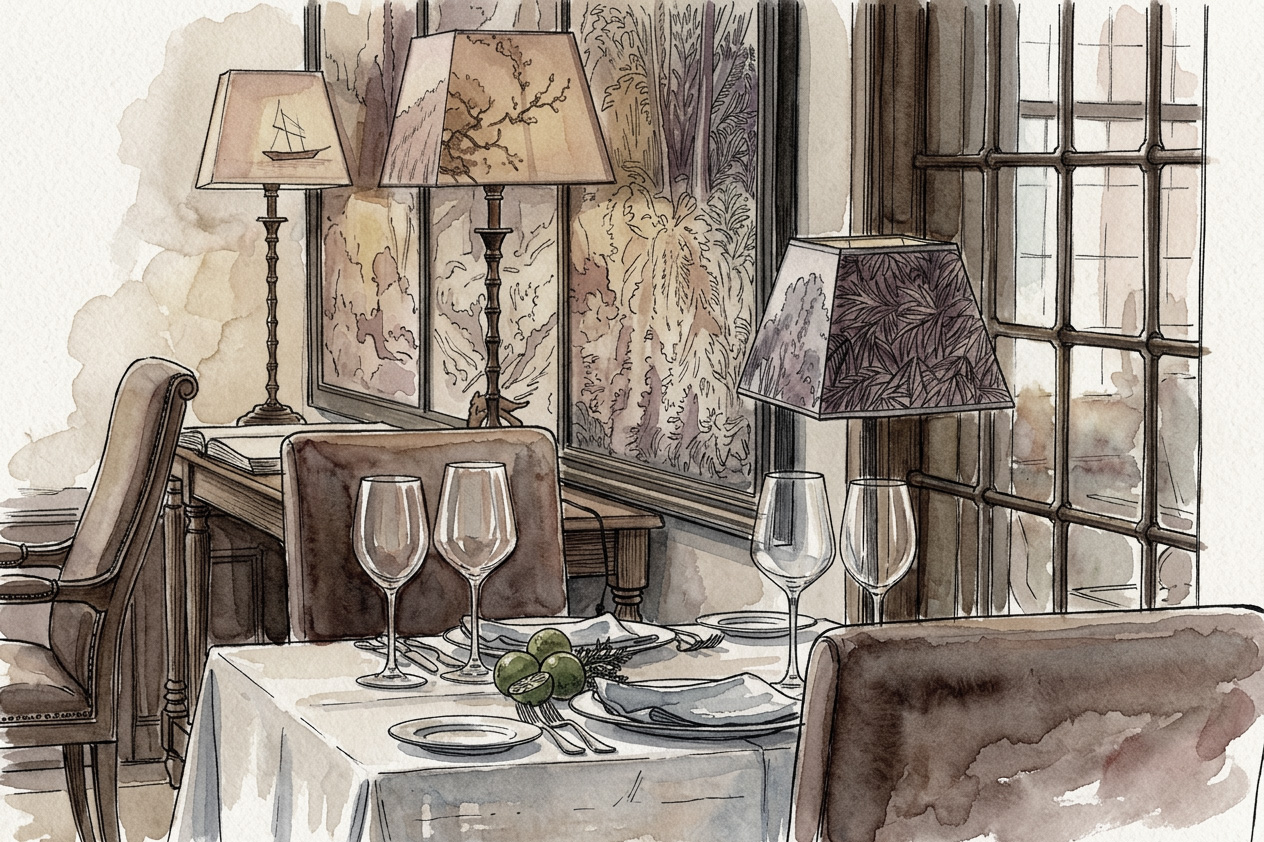
From breakfast and tea to aperitifs and dinner, meals form part of a daily rhythm shared across the gardens, arcades and dining rooms of the monument.
The cuisine draws from the agricultural abundance of Thrace and the waters of the Aegean. Fruits, vegetables, grains, herbs, fish and meats follow the seasons and arrive from nearby farms, producers and fishermen, maintaining a close relationship with the communities that sustain them.
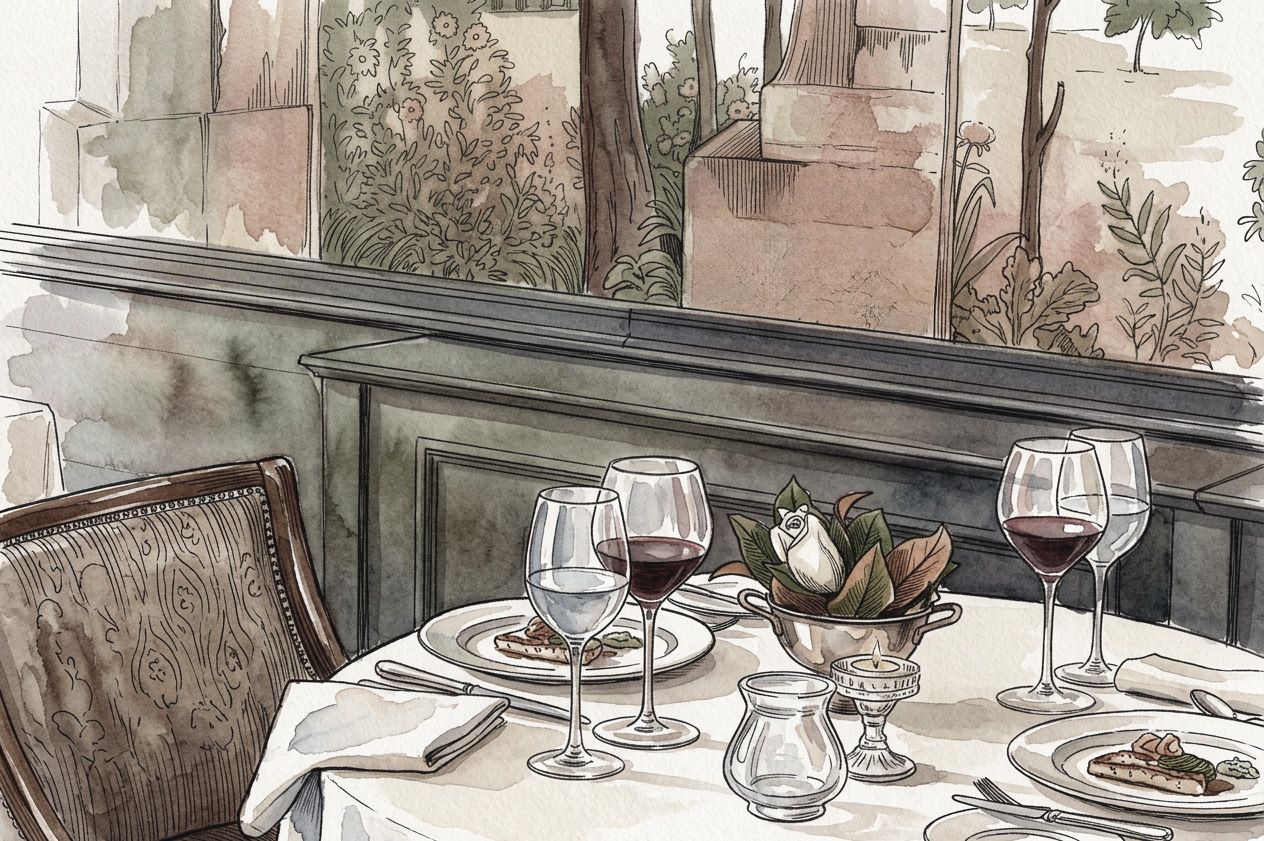
Wines from Thrace, Greece and selected French vineyards accompany the table, reflecting a viticultural tradition that has shaped this region for millennia.
Spaces of Stillness
Imaret is a place where nourishment, restoration, contemplation, learning and hospitality come together in the pursuit of physical and spiritual balance.
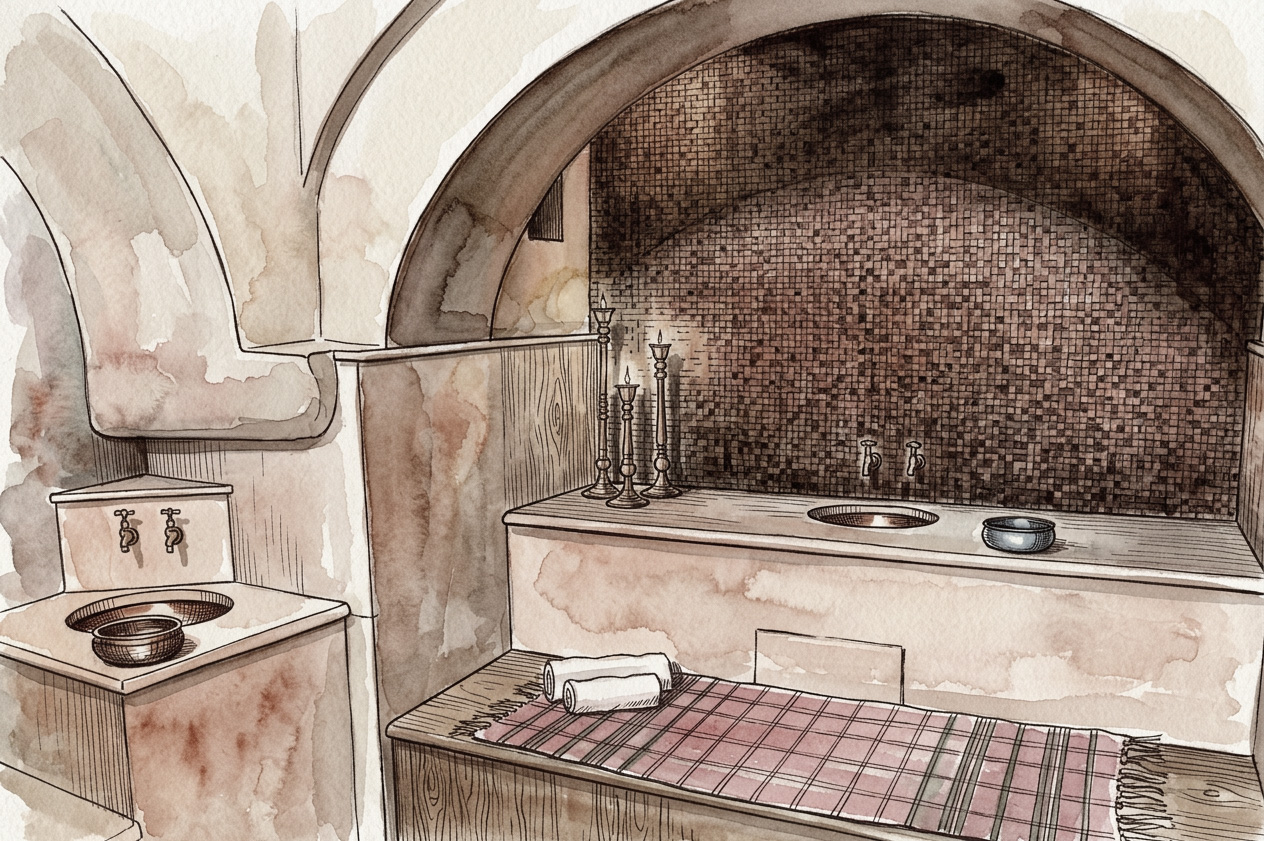
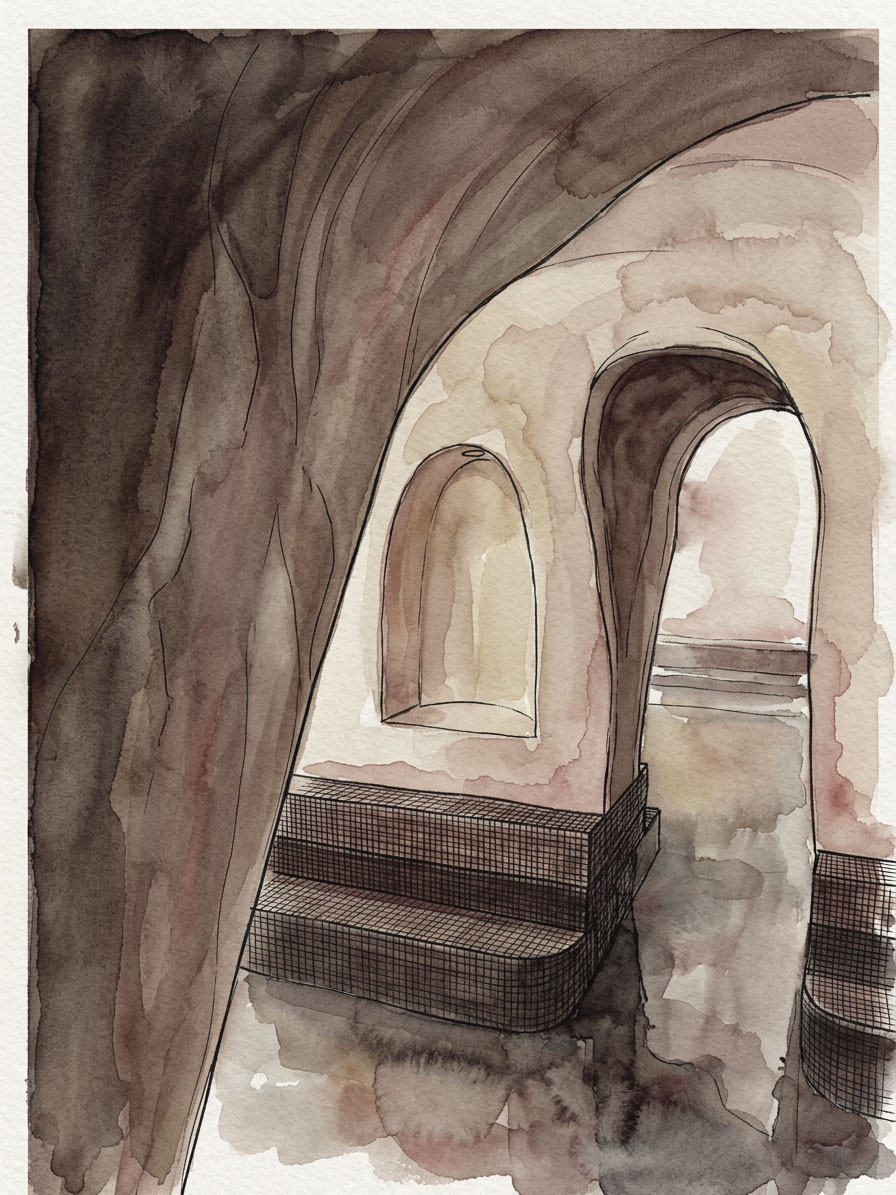
The atmosphere of the monument — its gardens, arcades, domed spaces, cistern, hammam and former mosque — naturally encourages stillness. Guests move gradually between quarters and quiet corners, discovering places to read, reflect, converse or simply observe.
Among the monument’s most remarkable spaces is the former mosque. Beneath its soaring dome, simplicity, proportion and light create an atmosphere that invites contemplation, reflection and repose.
Long before the emergence of the modern wellness industry, places such as Imaret brought together many of the practices now associated with contemporary wellness.
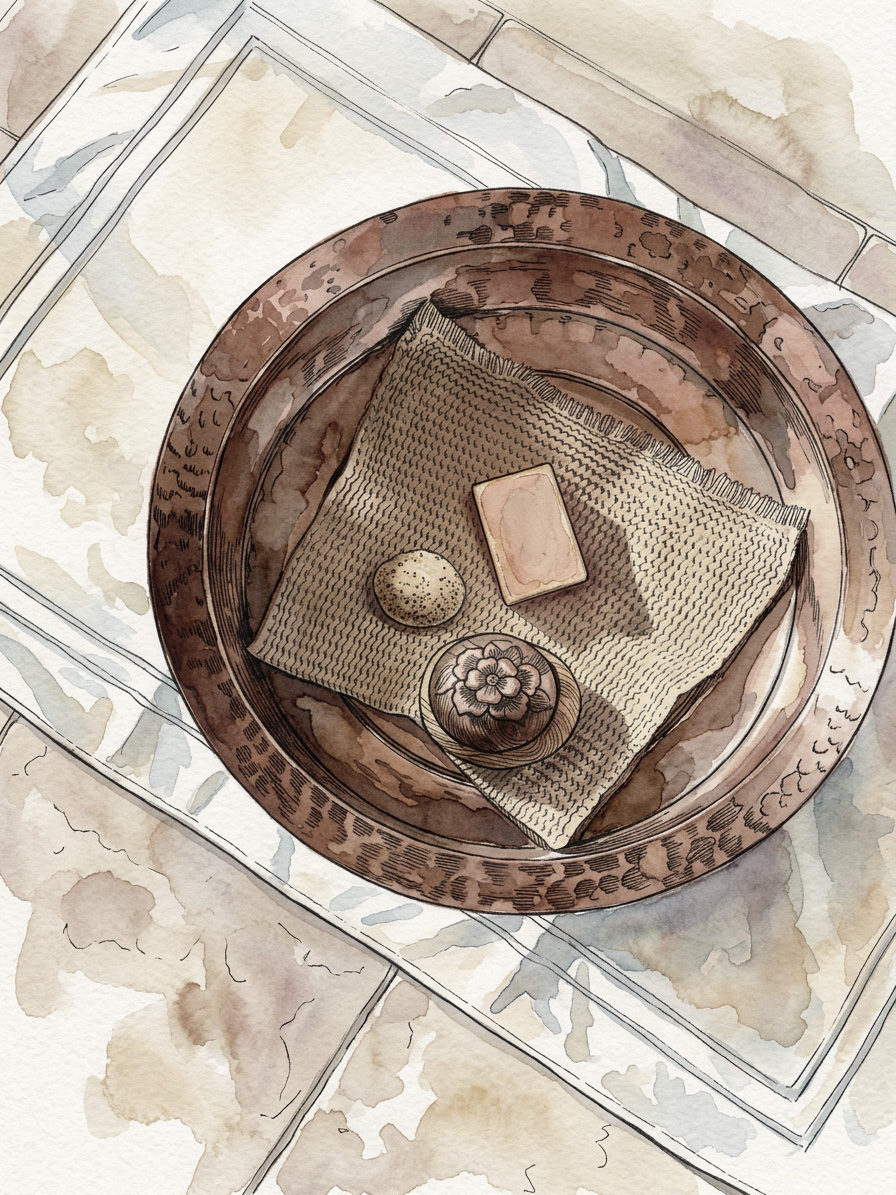
This tradition of care continues today in Imaret through resident healers who offer treatments, bathing rituals, breathwork, gentle movement and contemplative practices that support recovery, renewal and vitality.
The Kiosk
Added during the final phase of the monument’s construction in the mid-nineteenth century, the Kosk originally housed the administration of the institution.
Today, it remains one of the principal centres of daily life within Imaret.
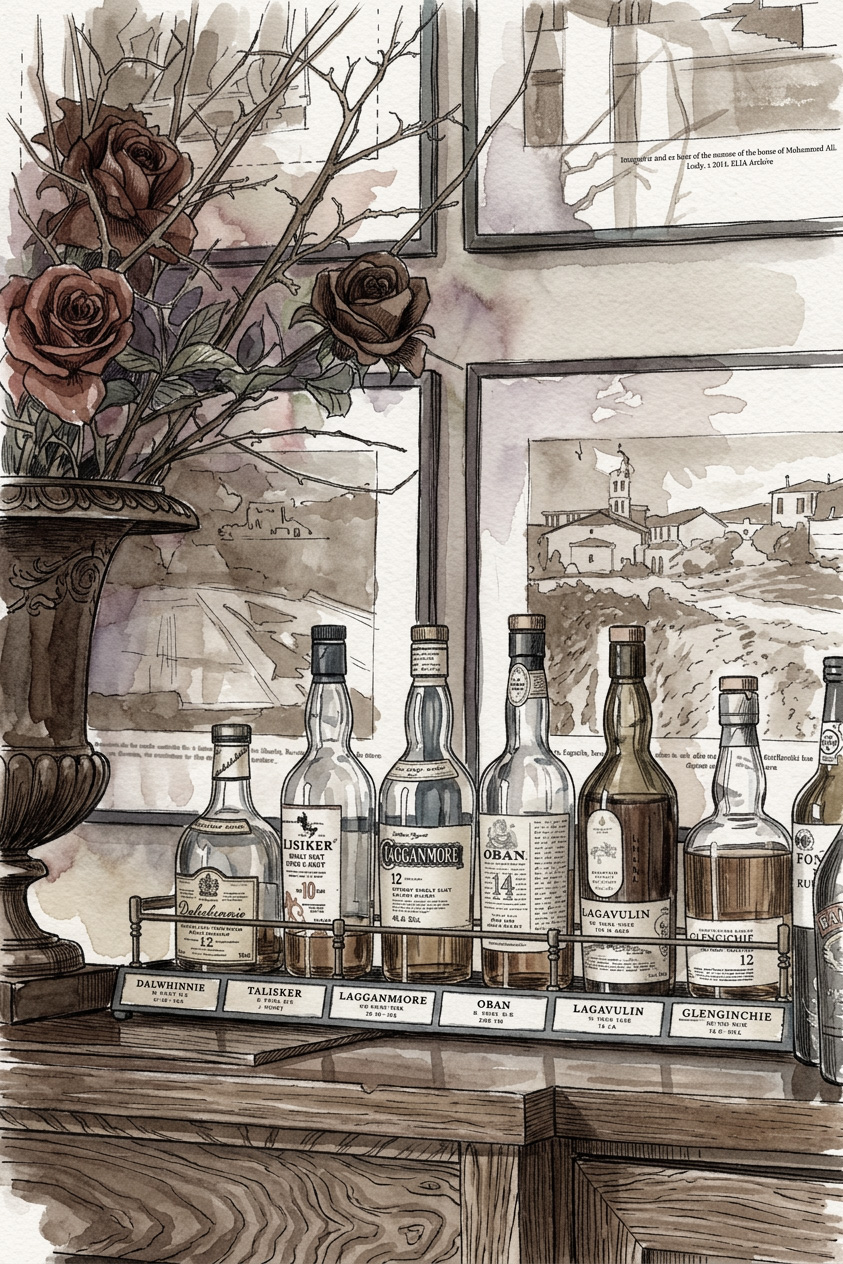
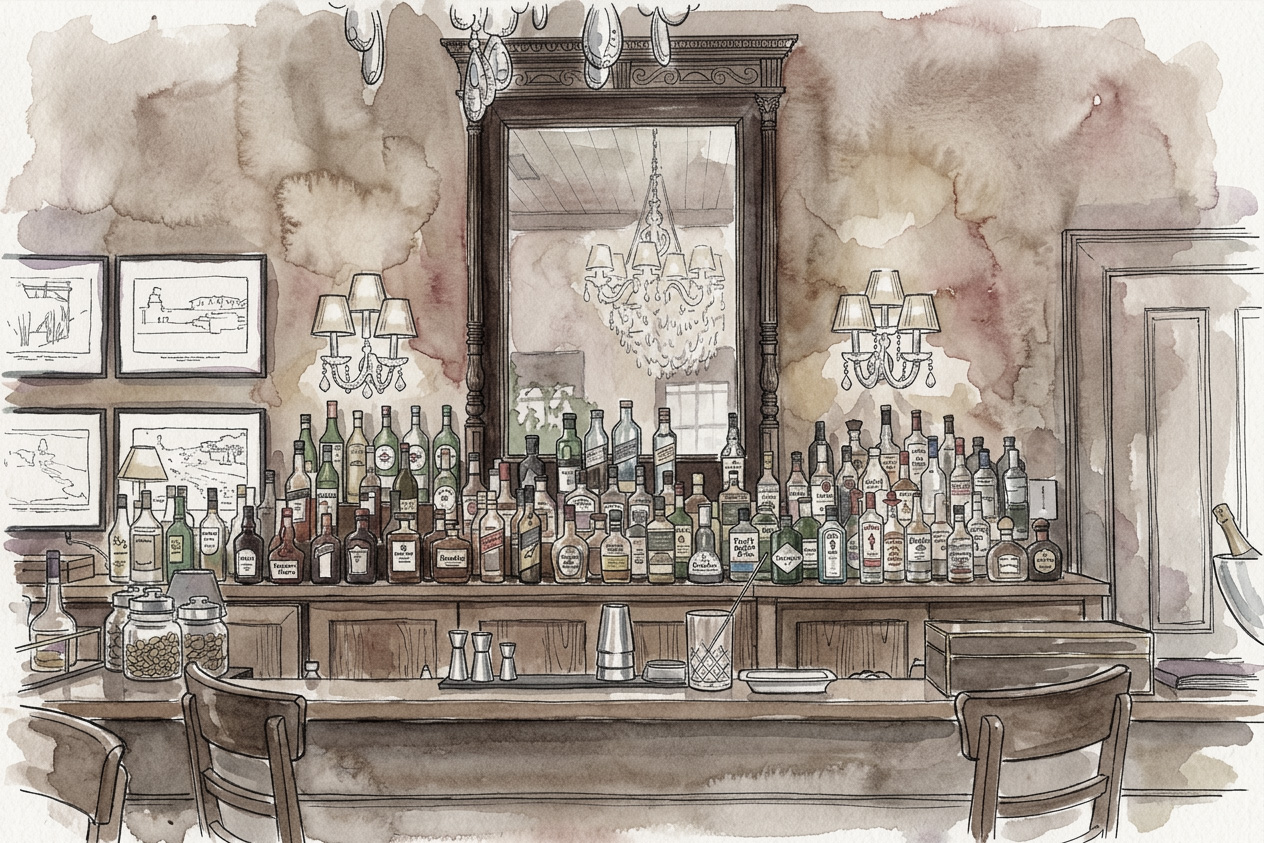
Dining rooms, a library, tea room, bar, cinema, terraces and chef’s table unfold throughout its spaces. The open kitchen welcomes guests who wish to observe preparations, converse with the chef or follow the culinary life of the house as it unfolds.
While the gardens, quarters and spaces of stillness offer privacy and retreat, the Kosk provides opportunities to engage more closely with the life of the monument.
Alexandrian Quartet
The Alexandrian Quartet occupies a secluded position above the square garden.
Conceived as an intermediate space between the life of the Kiosk and the privacy of the Quarters, it offers a quieter setting for those moments when guests seek greater seclusion without withdrawing entirely from the life of the monument.
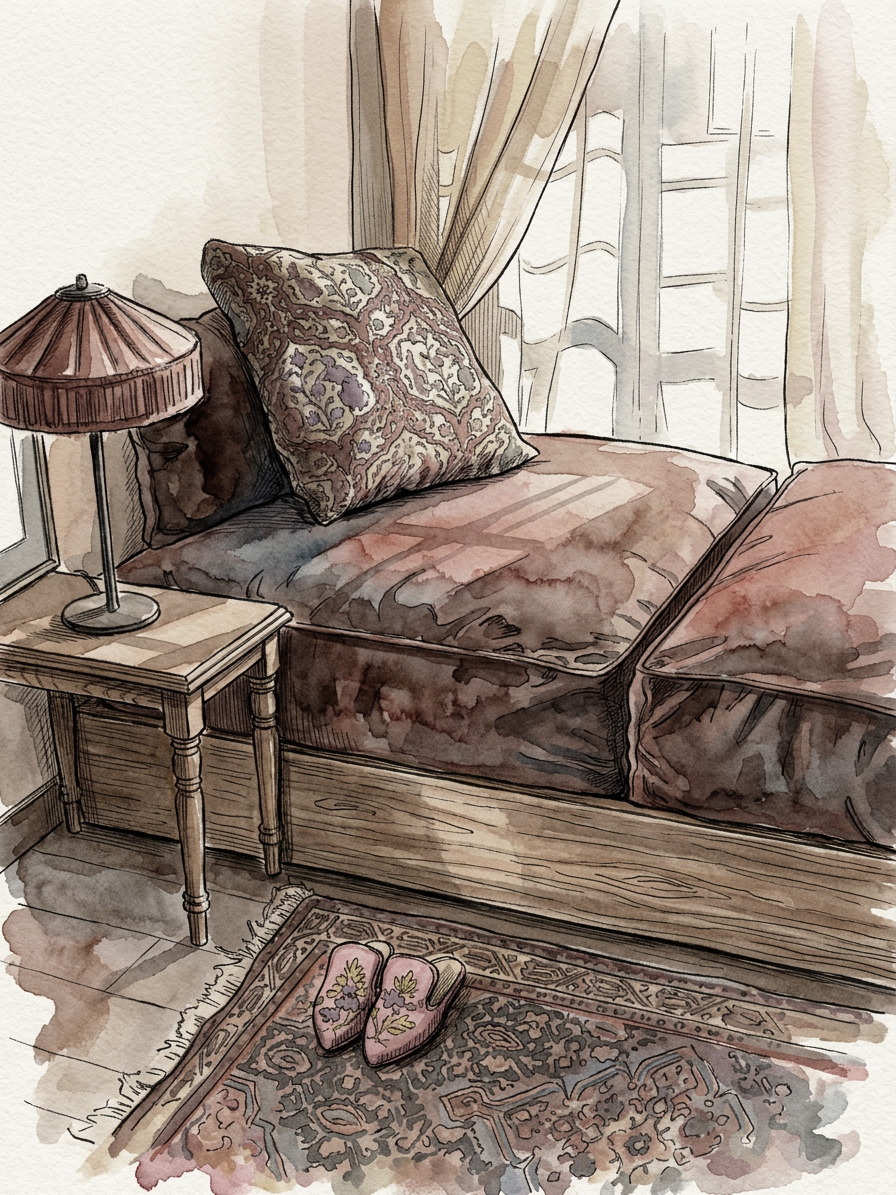
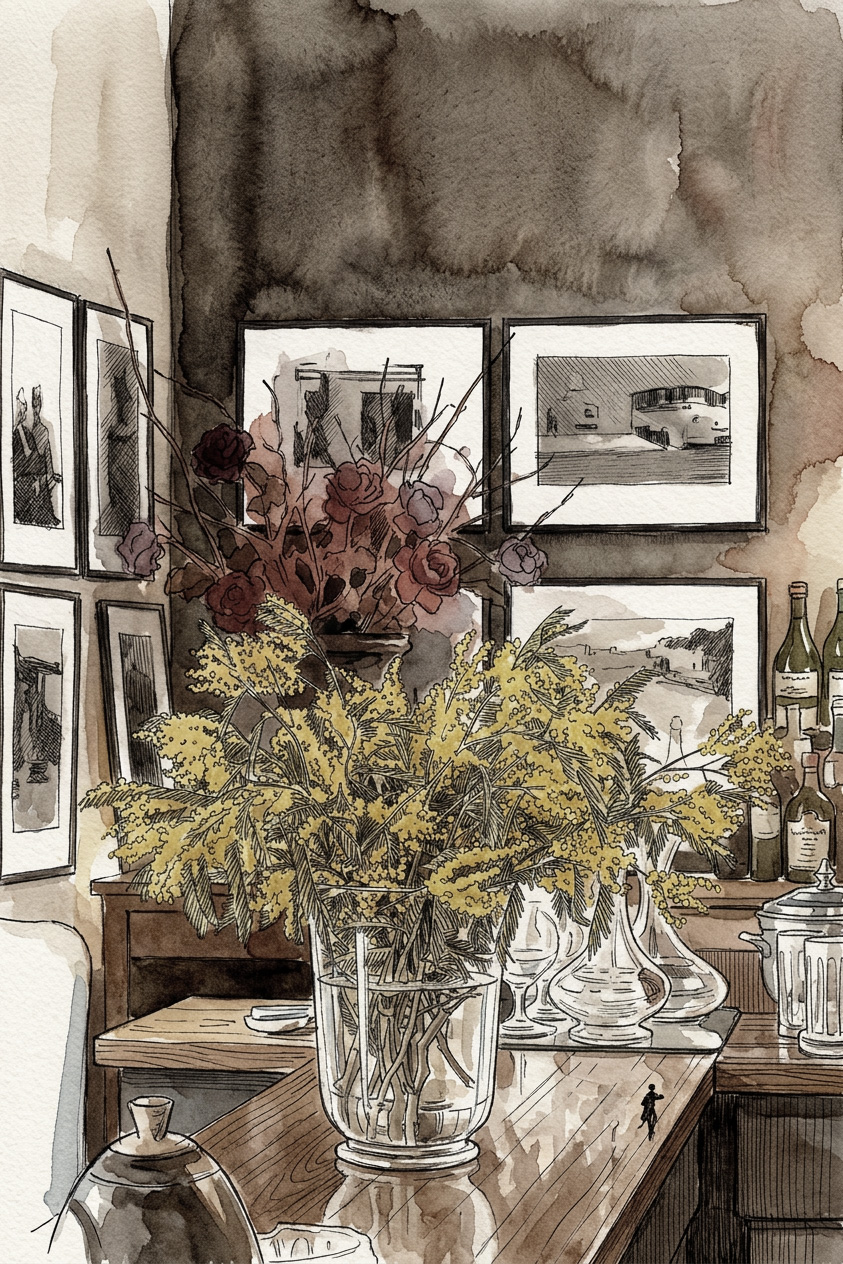
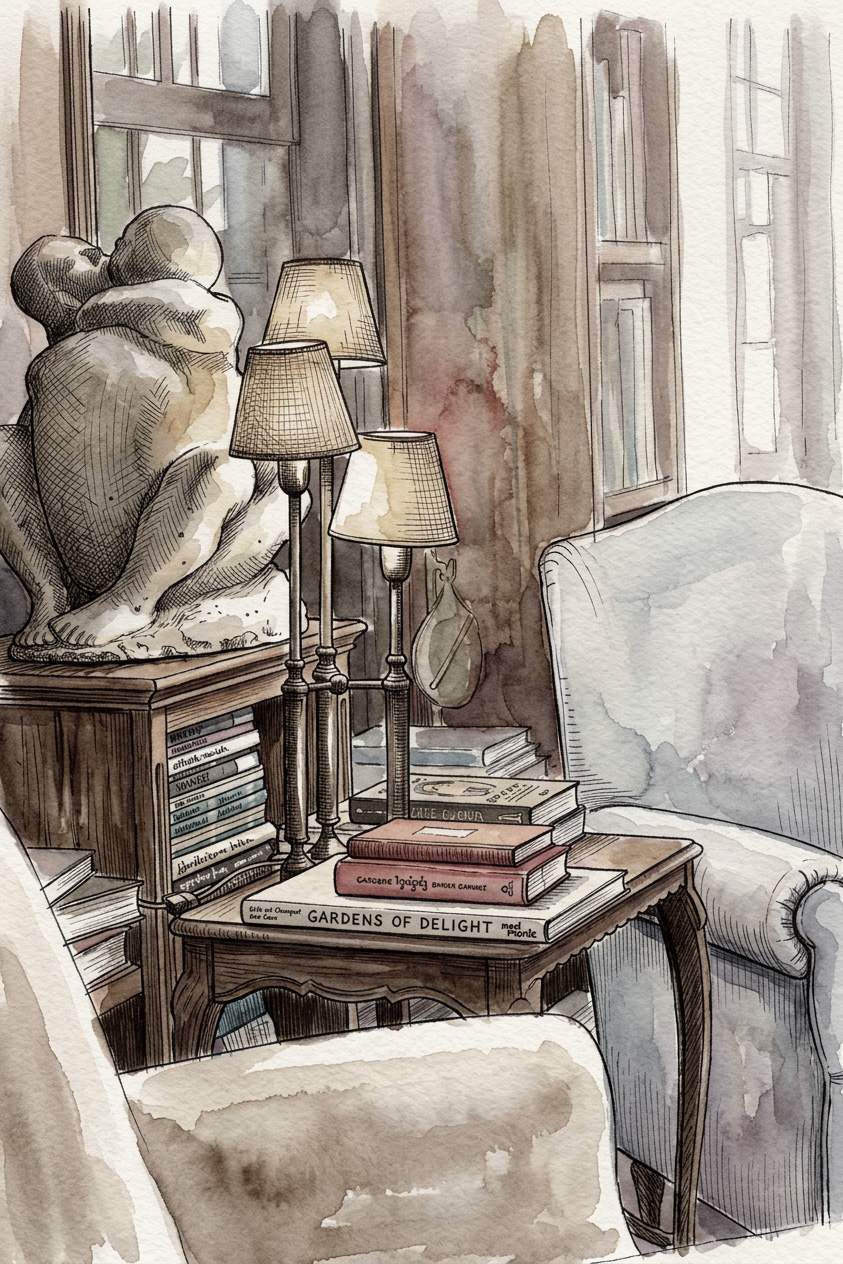
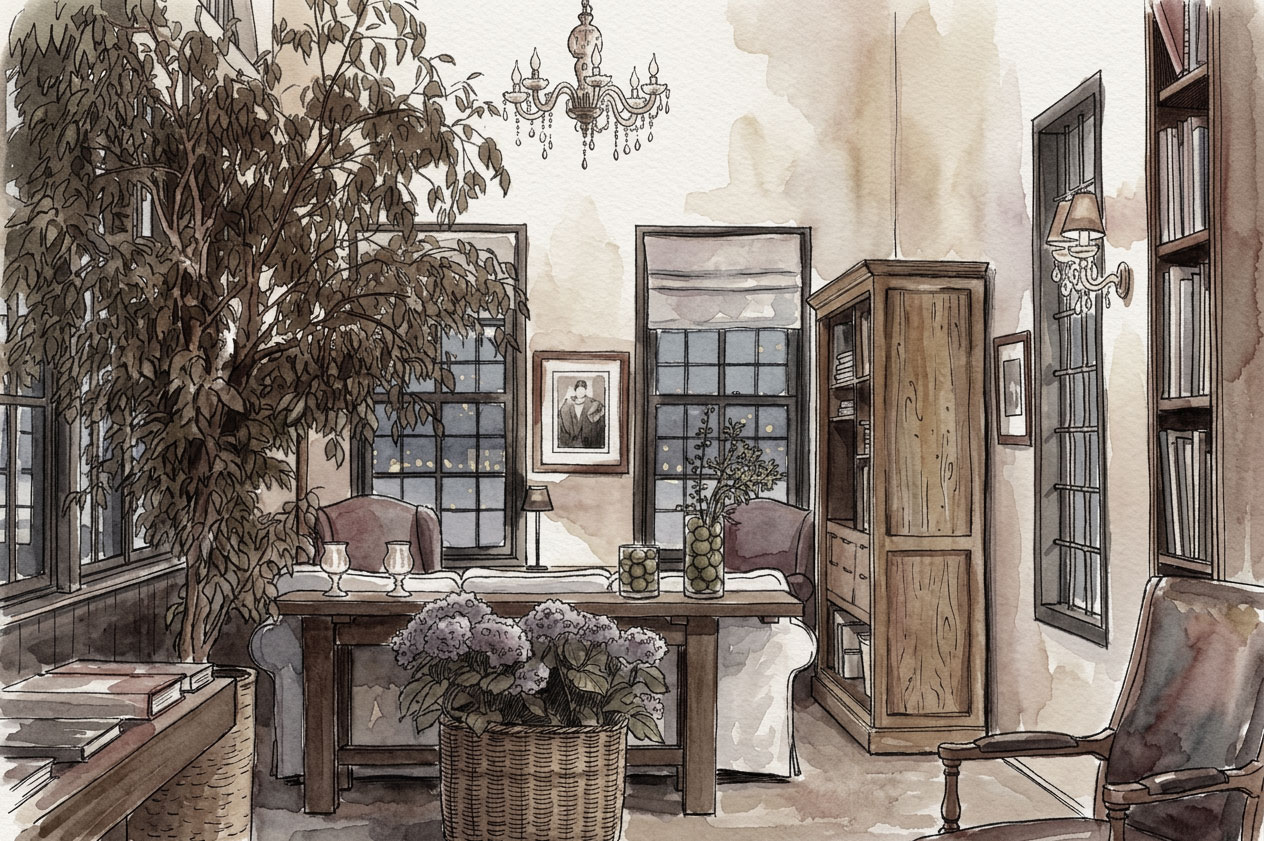
Inspired by the cosmopolitan Alexandria of Mohamed Ali and by the literary world of Lawrence Durrell, the space combines books, comfortable seating and views over the gardens below.
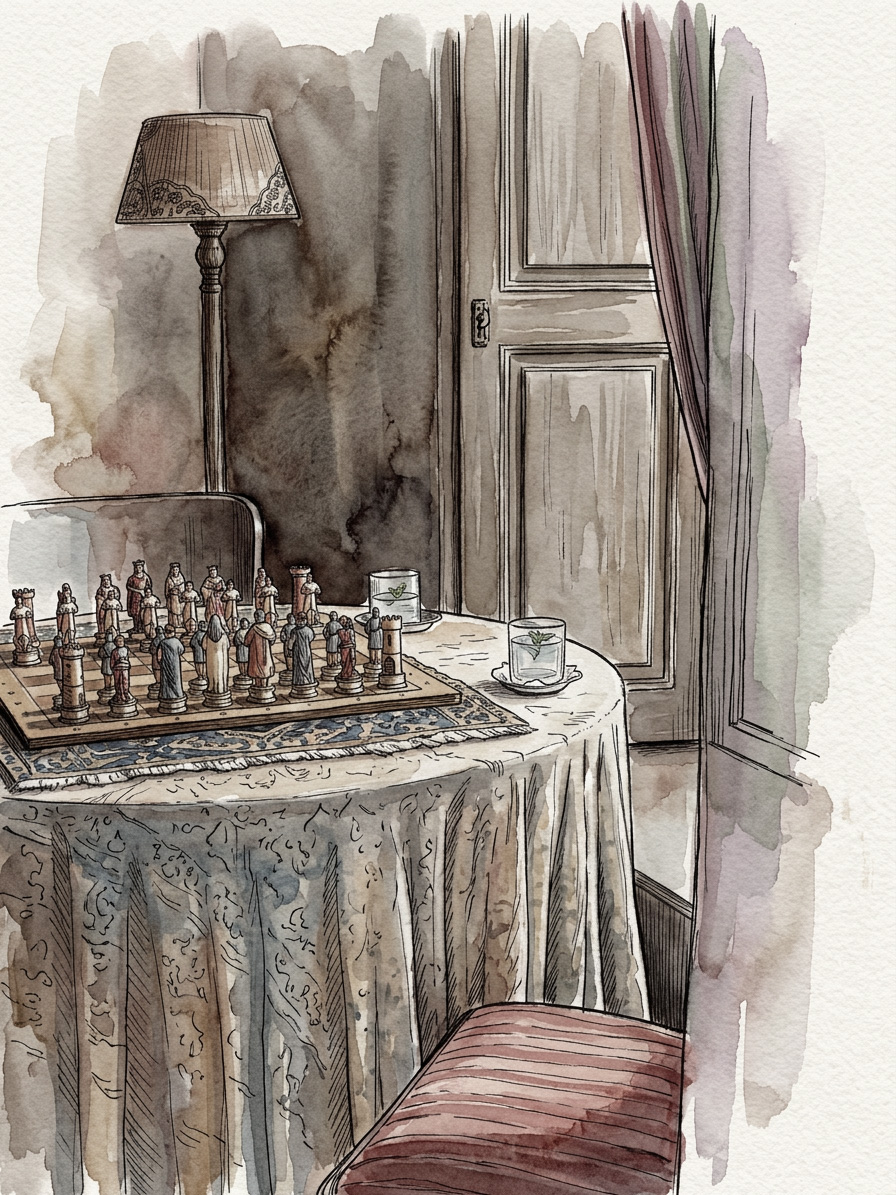
Throughout the day it may become a place for reading, conversation, a game of chess, quiet work or simple contemplation.