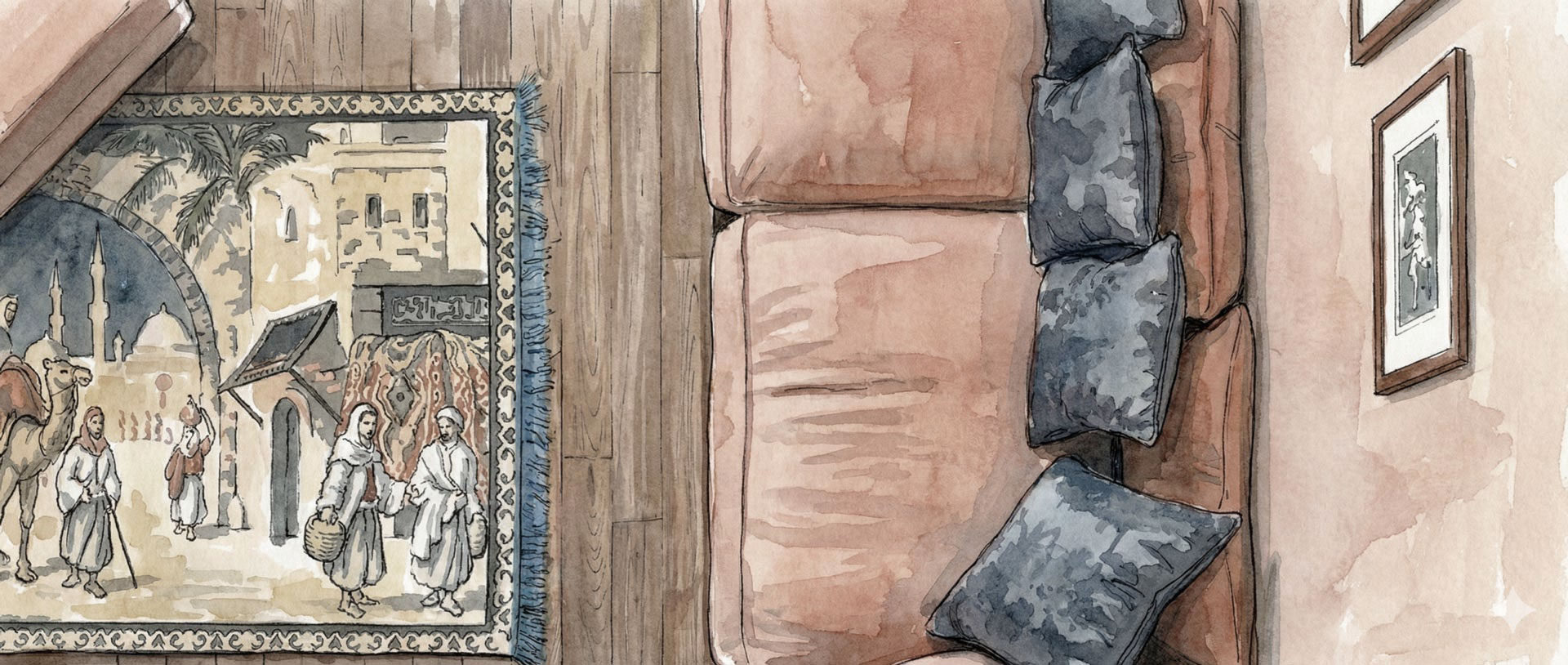
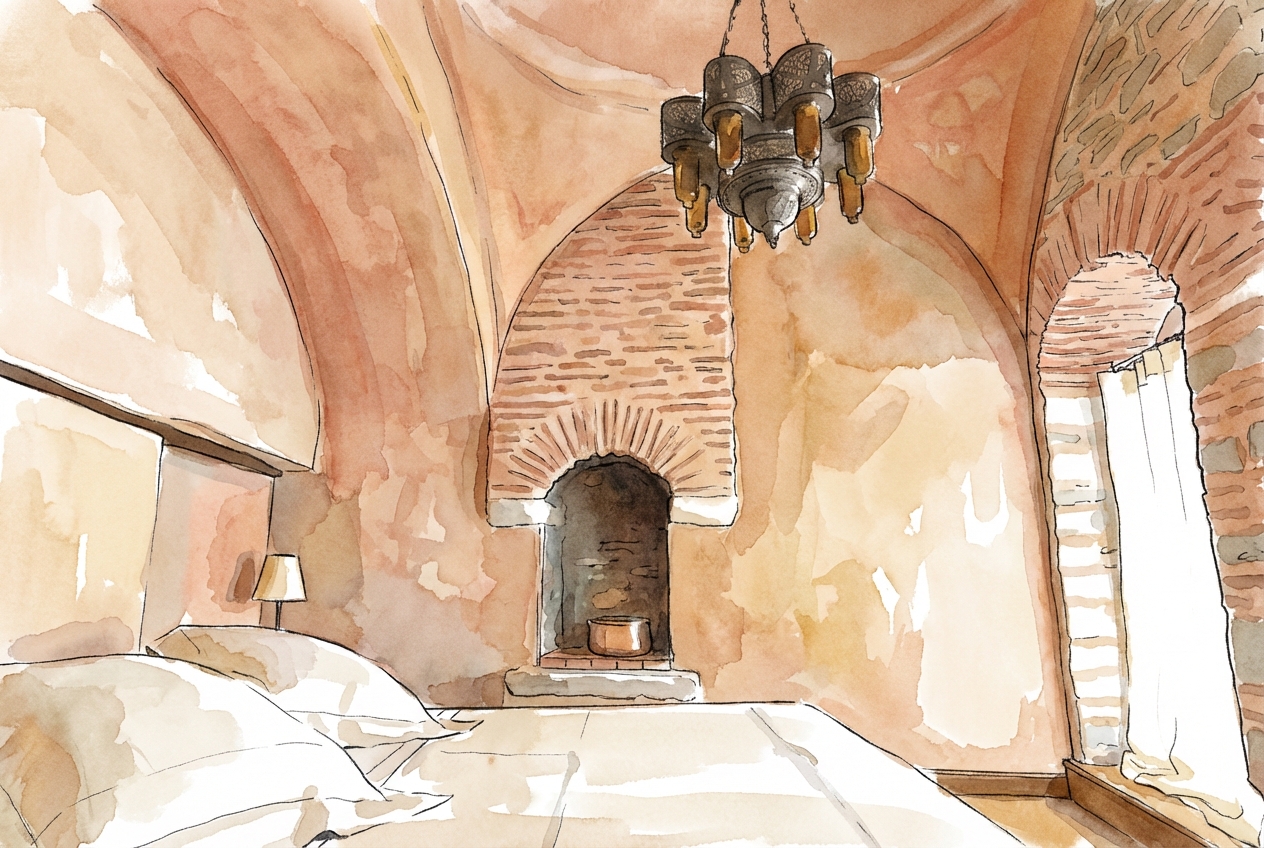
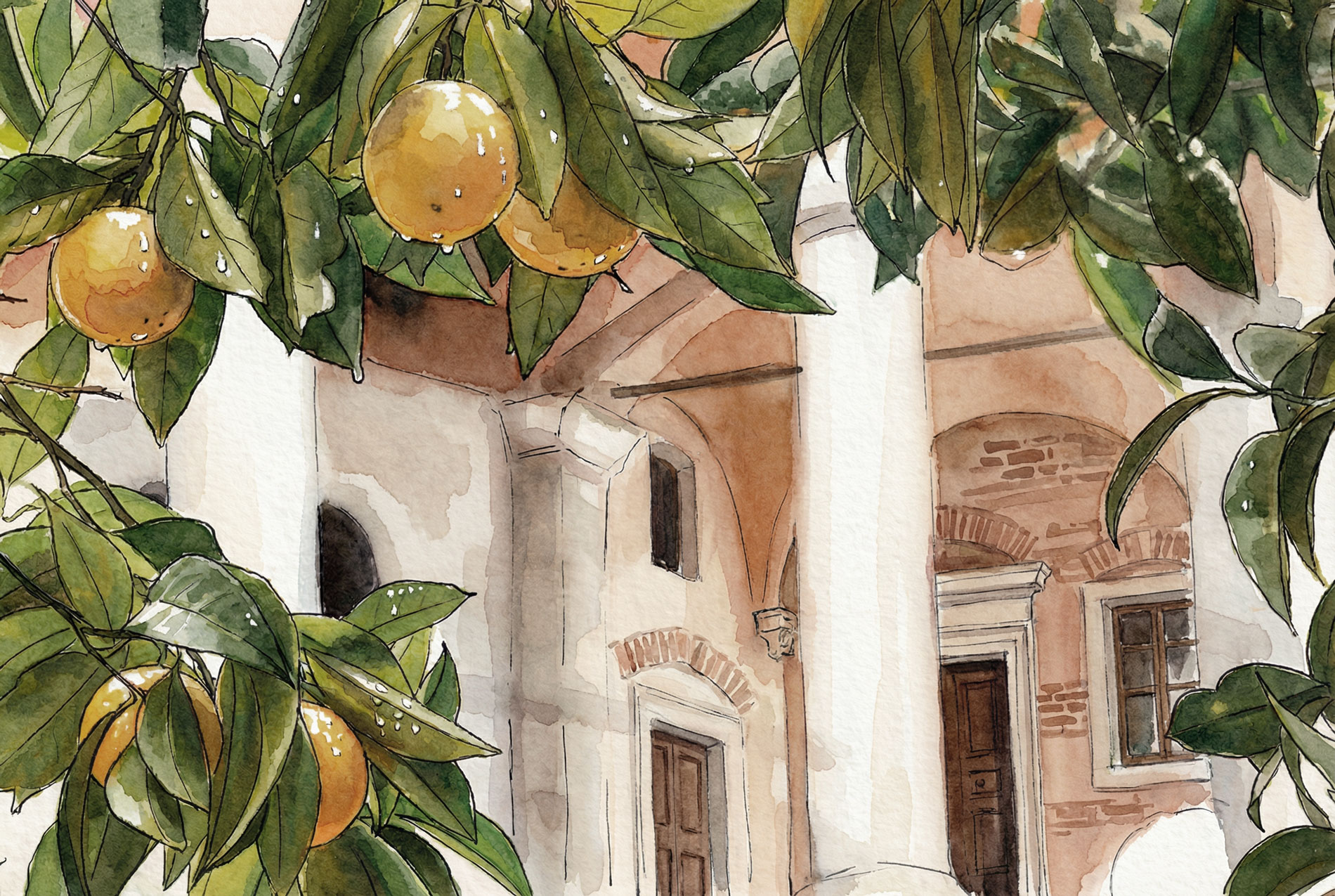
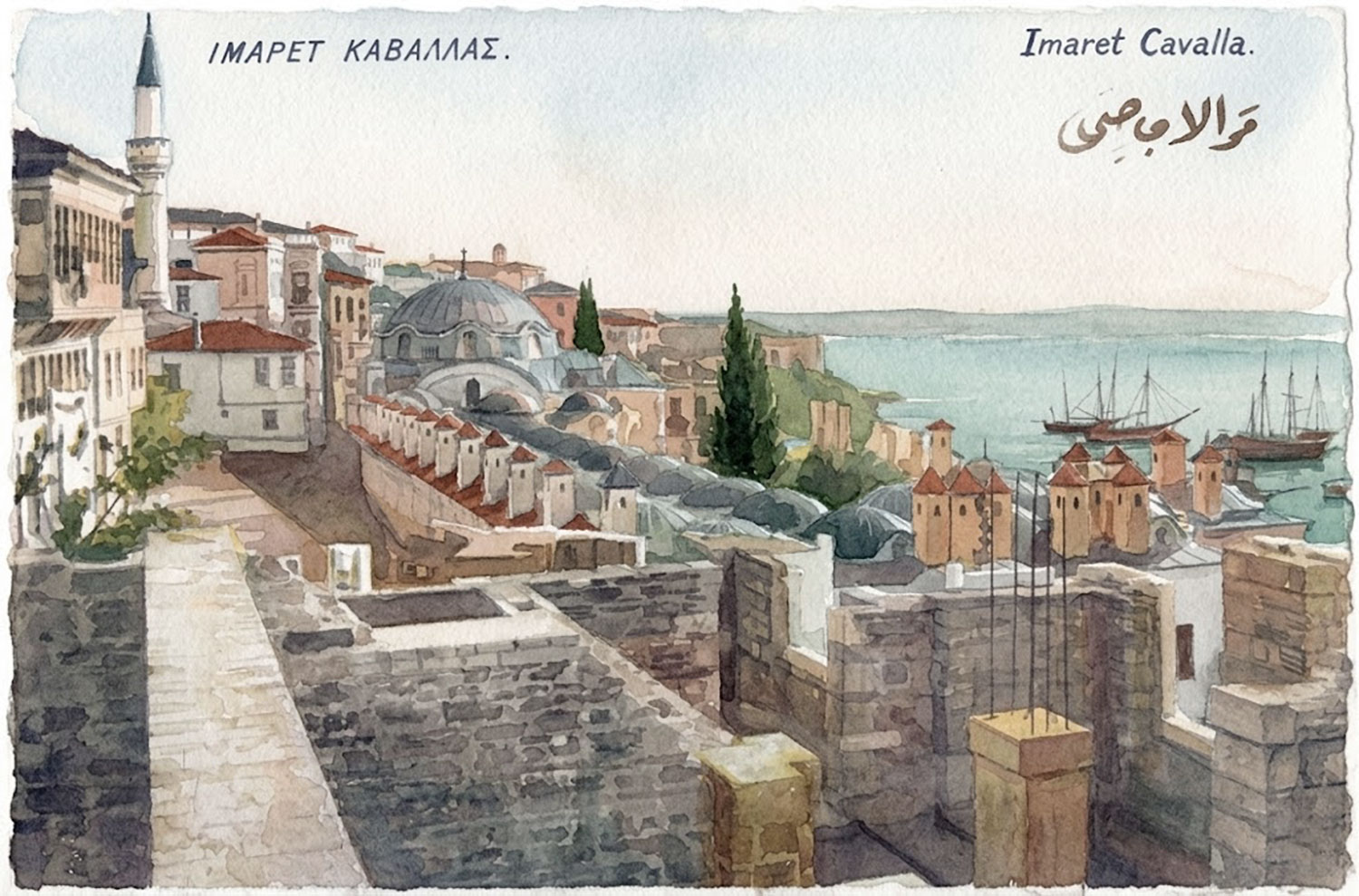
The monument, its architecture, its gardens and its commitment to all that is authentic, beautiful and enduring create a small heterotopia of life. It forms a world with its own rhythms, principles and daily practices, removed from many of the conditions that contemporary life inevitably imposes and that so often lead to fatigue and imbalance.
More than a luxury destination, Imaret is a living monument curated for a post-luxury way of life. The monument offers the highest standards of comfort, beauty and hospitality, yet these serve a larger purpose: creating the conditions for rest, reflection and renewal.
Much of modern life is characterised by constant demands on attention: correspondence, appointments, decisions, obligations, noise and interruption. While many of these are unavoidable, they often leave little space for reflection, learning, beauty, meaningful human contact and rest. At Imaret, these elements once again form part of the same way of life.
The restorative power of the monument lies not in any individual treatment, meal or activity, but in the opportunity to inhabit such a world, even for a short time.
In this sense, life at Imaret becomes the treatment.
Life at Imaret is shaped by the Franco-Levantine tradition that flourished in the great port cities of the Eastern Mediterranean, where hospitality, learning, craftsmanship and the arts of daily life formed part of the same culture.
Calligraphy, tea preparation, bread making, fruit preservation, medicinal herbs, gardening, historical cuisine, storytelling and learning remain part of life within the monument. Some are shared through dedicated gatherings, while others emerge through the rhythms of daily life itself.
Many of these customs remain closely connected to the landscapes, communities and history of Thrace and continue beyond the walls through the visits that form part of the Imaret Journey.